OUR RESEARCH AREAS
Aerostructural Testing of Novel Wings
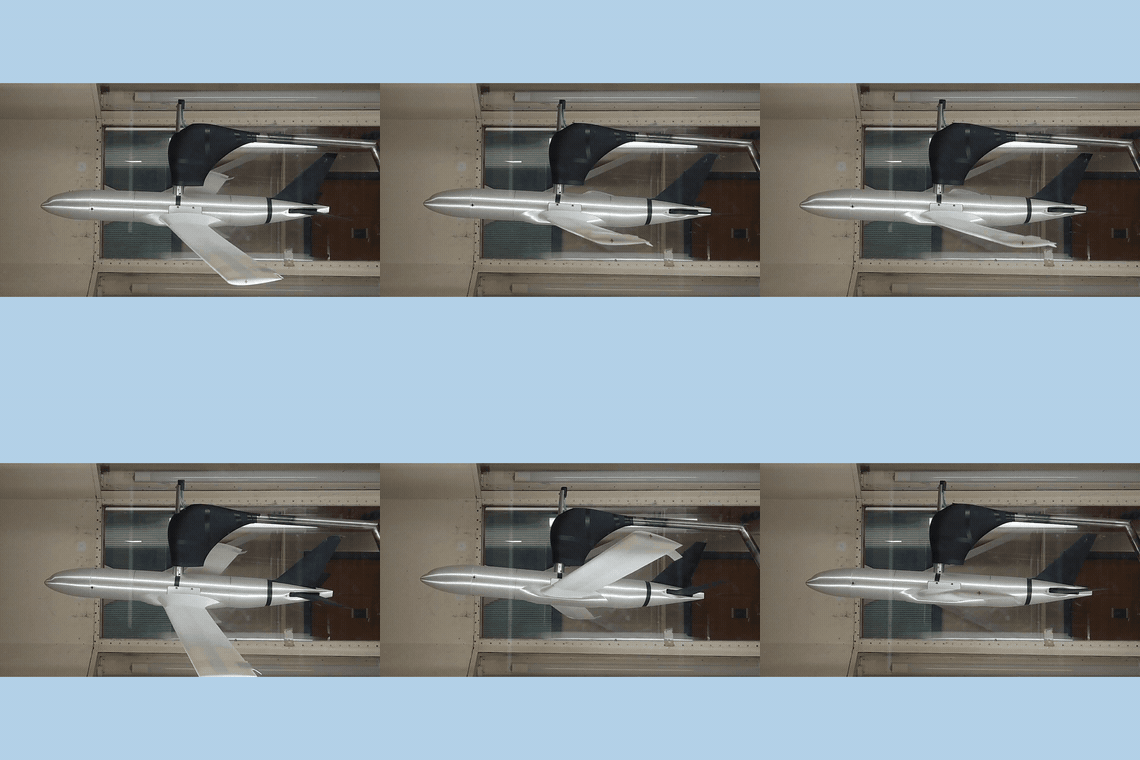
Our experiments reveal how wing design governs full-aircraft stability, gust response and flutter. Additive manufacturing enables rapid production of full-aircraft models and novel devices, while bespoke spars are manufactured in-house to tailor stiffness. Wind-tunnel measurements feed back into design models, while a variable-density capability in the NCPP extends testing across the flight envelope.
AI Aerothermal Design
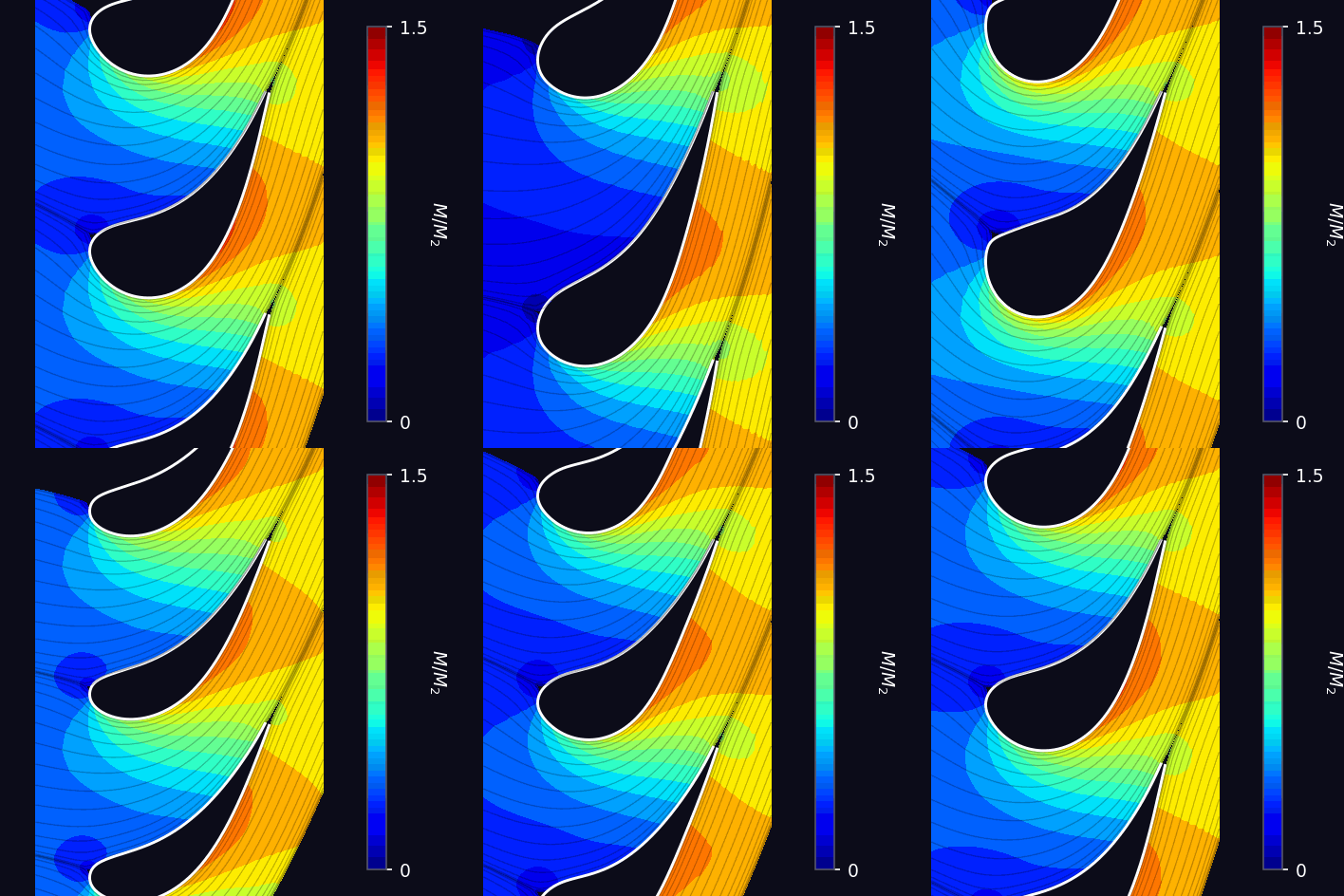
AI is increasingly leading engineering design work, not just accelerating individual analyses within it. Agentic processes now run traditional design workflows end-to-end, moving between aerodynamic, mechanical and cost disciplines much as a multi-disciplinary team would - switching roles as the problem demands. This extends to the tools themselves: AI is also being used to rewrite and modernise the software the design process depends on. The video on the left shows this applied to turbine blade sections, where a regression model trained on a design database produces both the optimized blade geometry and the flow field it induces, displacing the need for iterative CFD during the design process. Read the paper here.
AI Assisted Analysis

dbsliceAI connects AI assistants to a bespoke set of tools for querying, analysing, plotting, and rendering simulation results through the Model Context Protocol. dbsliceAI extends the dbslice tool — a JavaScript library for interactive, hierarchical, database-driven visualization of engineering simulation data by connecting AI assistants to a curated set of tools for simulation database analysis, enabling natural-language querying of large-scale CFD design and optimization datasets.
AI Multi-Physics Aircraft Design

Aircraft and propulsor design spaces are too large for conventional workflows to explore. Our research converts fast, physics-based models into automatically differentiable tools, enabling thousands of coupled aerodynamic, structural, propulsion and mission variables to be optimised. Connected AI agents then generate, compare and refine diverse aircraft concepts. Promising designs are advanced to GPU-accelerated high-fidelity simulations or rapid experiments, whose results feed back into the models. This closed loop continuously improves both the designs and the tools used to discover them.
Aspirated Compressors
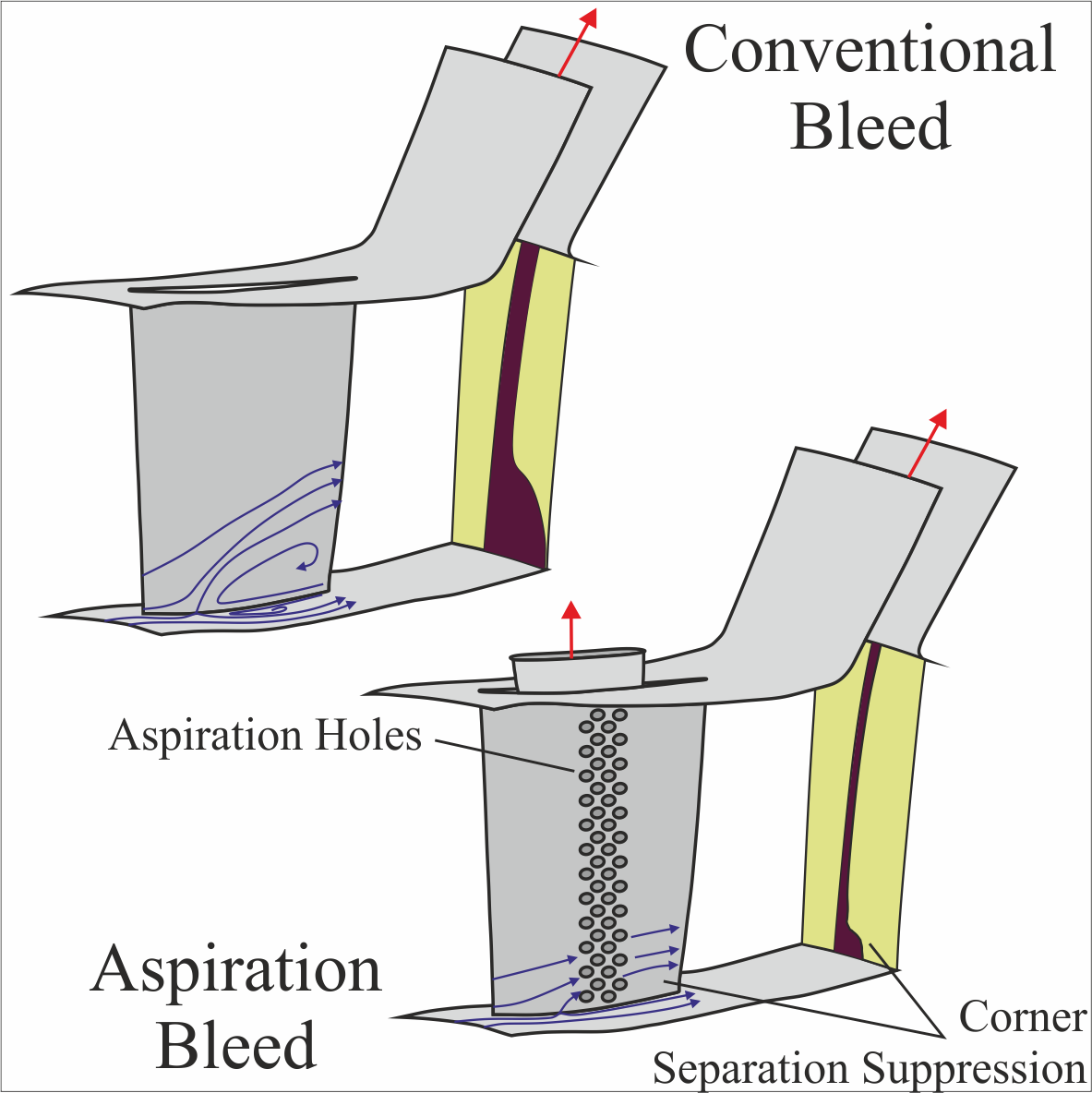
Aero-engine and gas turbine operation requires air to be extracted from the primary compressor flow path for purposes such as turbine cooling and off-design stage matching. This is normally done using large circumferential slots in the casing. Our research utilises advancements in additive manufacturing to create blades with an array of holes on the suction surface for bleed flow extraction, known as aspirated stator blades. We show how aspiration can significantly improve the compressor performance. Read the paper here.
Compressor Stall
Compressor stall limits operating range in gas turbines and jet engines and can lead to severe performance loss or failure. Our research, in collaboration with MIT, has revealed the flow structures responsible for stall inception and unifies the routes to stall within a single framework, providing a new way to understand stall inception and link it to compressor design. Read the paper here.
Contrail Formation Physics
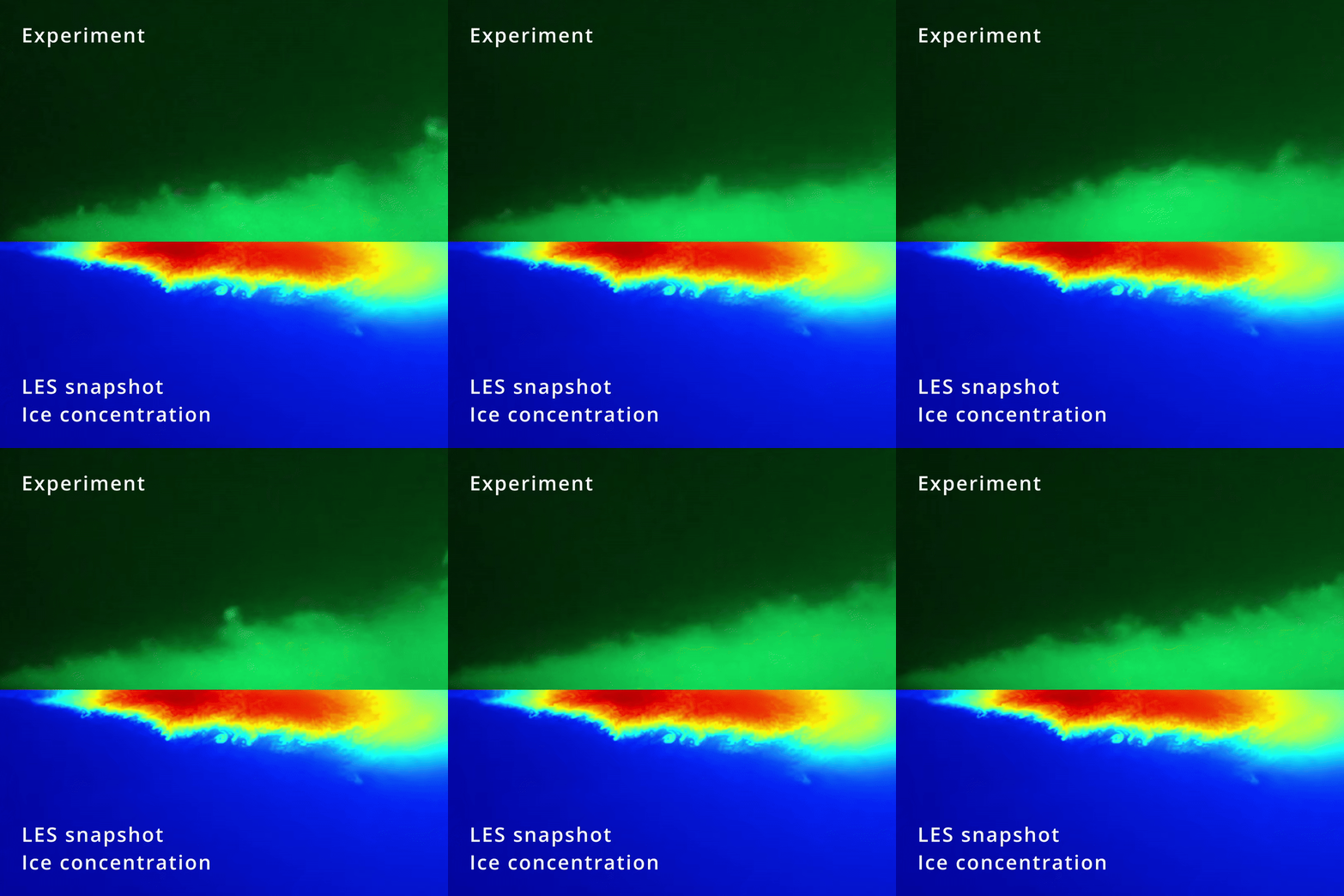
Aircraft contrails are thought to have one of the largest climate impacts of aviation, yet many of the physical processes governing their formation remain poorly understood. We combine unique laboratory experiments with high-fidelity simulations to recreate the first moments of contrail formation under controlled conditions. This allows us to understand how droplets and ice crystals nucleate and grow, providing the scientific foundation for future aircraft technologies, including new fuels and engine concepts, that reduce aviation's climate impact. Read more here.
Contrail Mitigation
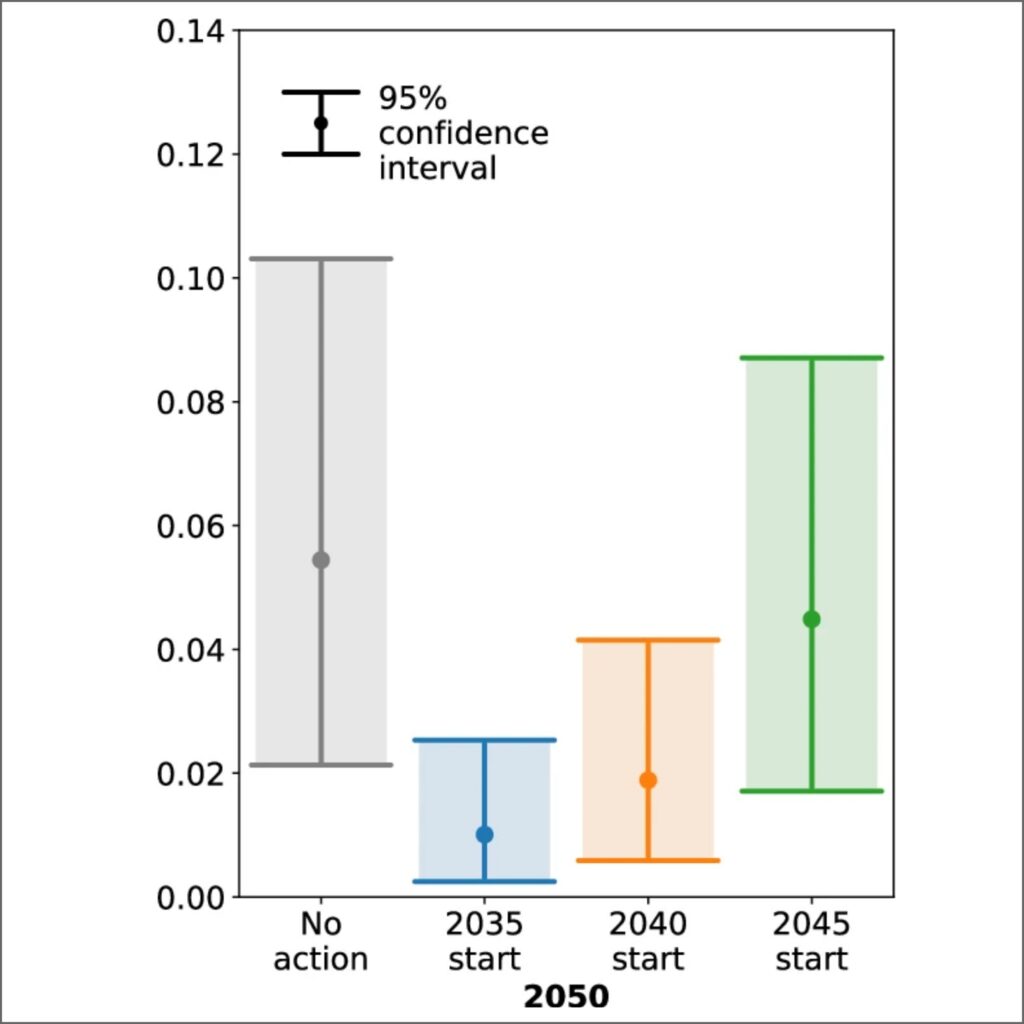
Navigational contrail avoidance presents an opportunity for rapid reduction in aviation-attributable warming. If no avoidance is adopted, aviation is projected to contribute 0.040 K of CO2 warming and 0.054 K of contrail warming by 2050. The combined warming from aviation CO2 and contrails is 19% of the difference between current temperatures and the +2 °C limit above pre-Industrial levels, i.e. 19% of our remaining temperature budget. An avoidance strategy phased in over 2035-2045 may recover 9% of this budget, but a 10-year delay may reduce this to 2%. Read the paper here.
Contrail Modelling Within Aircraft Simulations
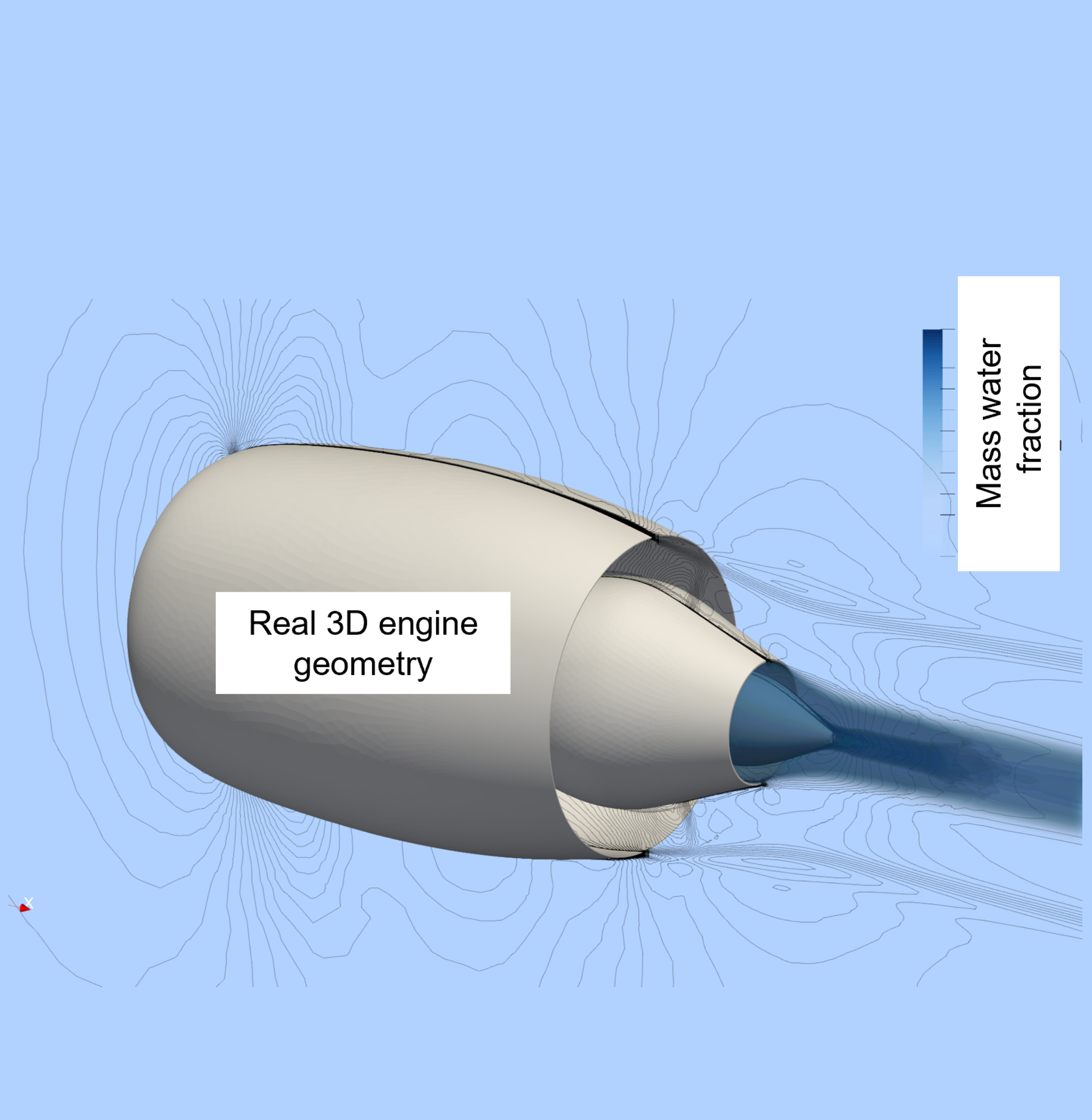
Contrail formation depends not only on atmospheric and engine exhaust conditions, but also on how the near-aircraft flow reshapes and mixes the plume. Our simulations capture the turbulent mixing controlling early contrail formation. We compare the engine alone, then add the pylon, wing and complete aircraft to isolate each design effect. This reveals how geometry influences contrails and informs future aircraft design.
Cricket Ball Swing
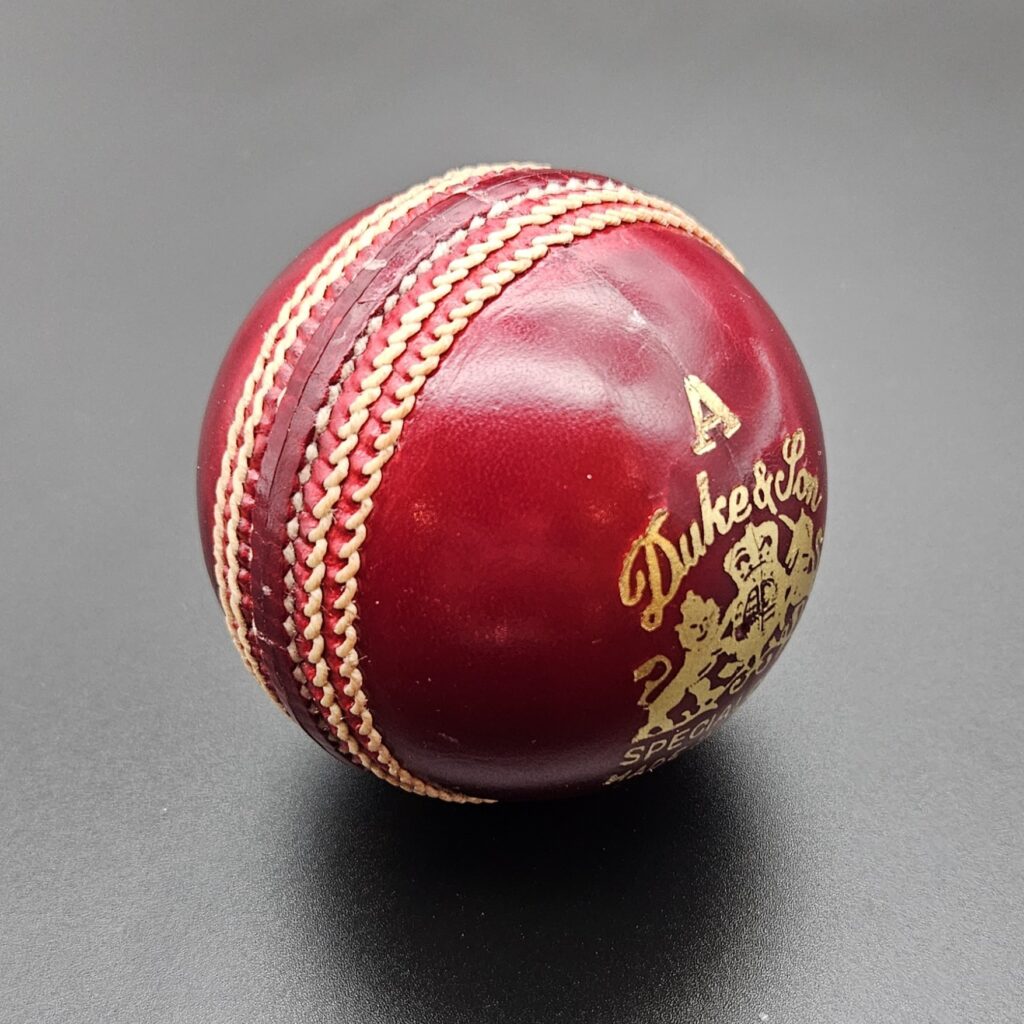
We investigate the aerodynamics of cricket ball swing using wind-tunnel experiments and analysis of ball tracking databases. The studies have examined why balls swing (and why they don’t) and consider the roles of bowler skill, ball condition, and atmospheric conditions. The findings provide a detailed understanding of the mechanisms behind conventional and reverse swing, and support improved predictive models and practical guidance for players and coaches. Read the paper here.
Cryogenic-Fuels for Propulsion
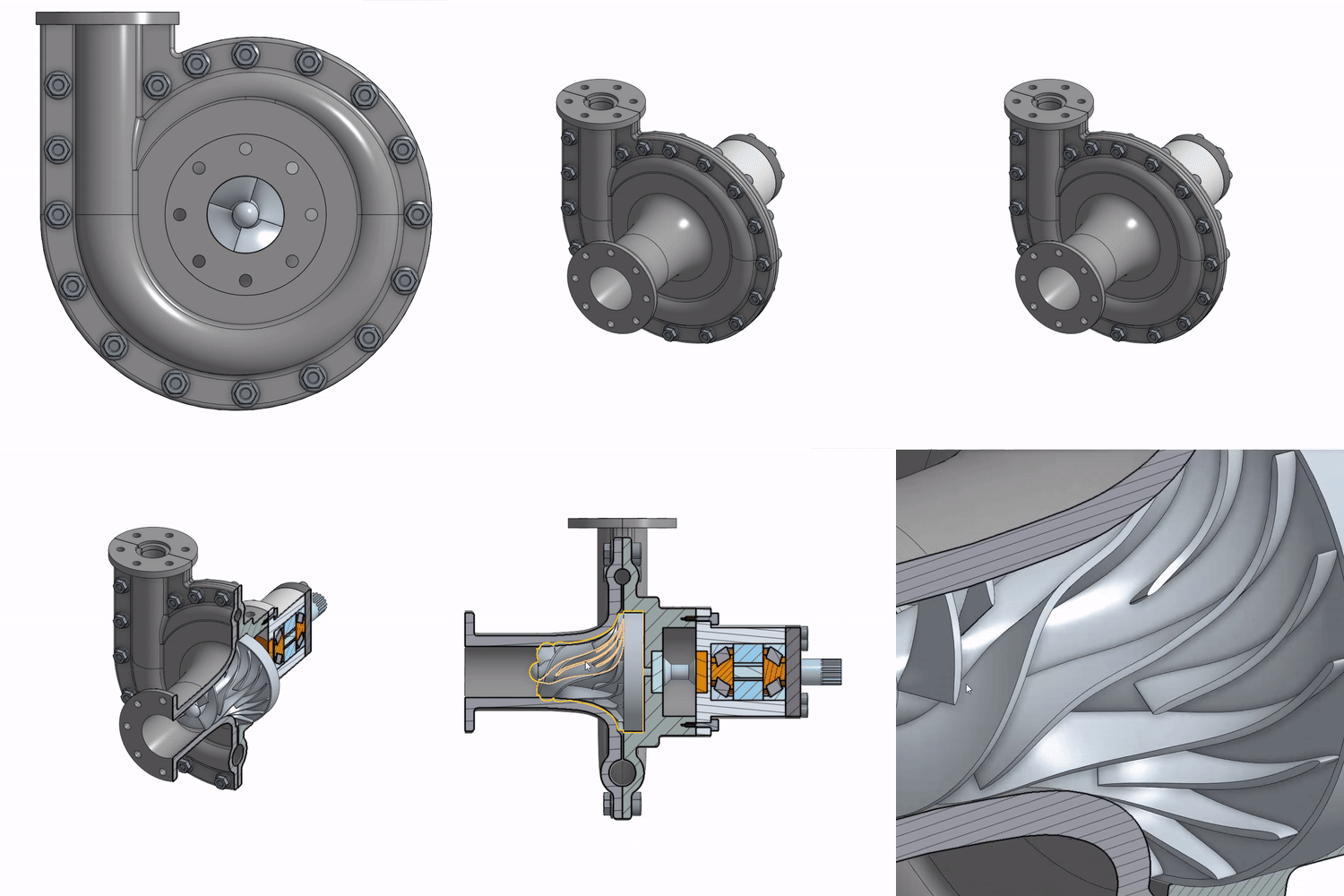
Cryogenic fuels offer a low-carbon alternative, and their extreme cold is an asset: recovering heat from the exhaust both pre-heats the fuel and opens up additional work cycles. Realising this potential demands new technology across the propulsion system. Fuel pumps, such as the one shown, must raise pressure enough to reach the combustor, yet the fuel is stored at its boiling point, making cavitation almost unavoidable. This design achieves high pressure rise while eliminating cavitation entirely.
Direct Numerical Simulation
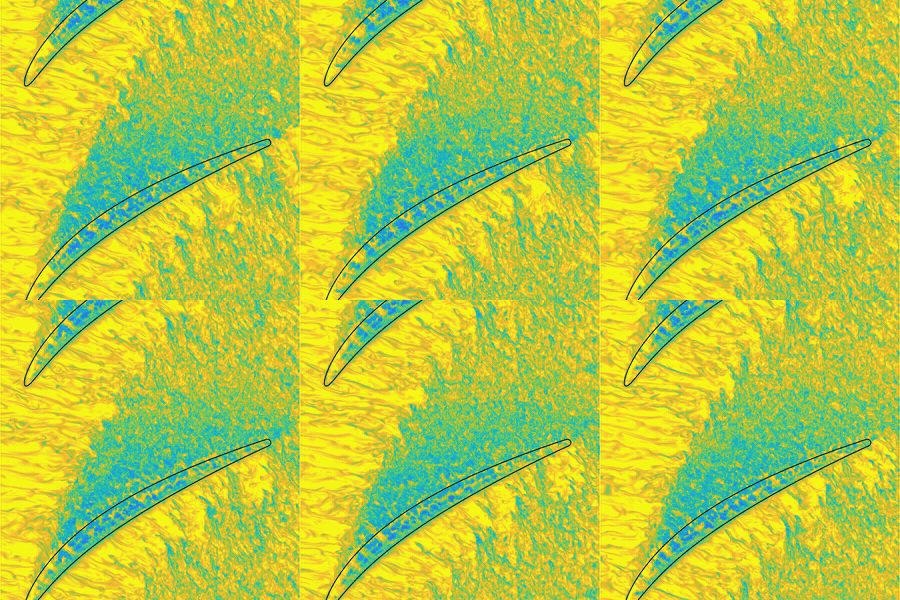
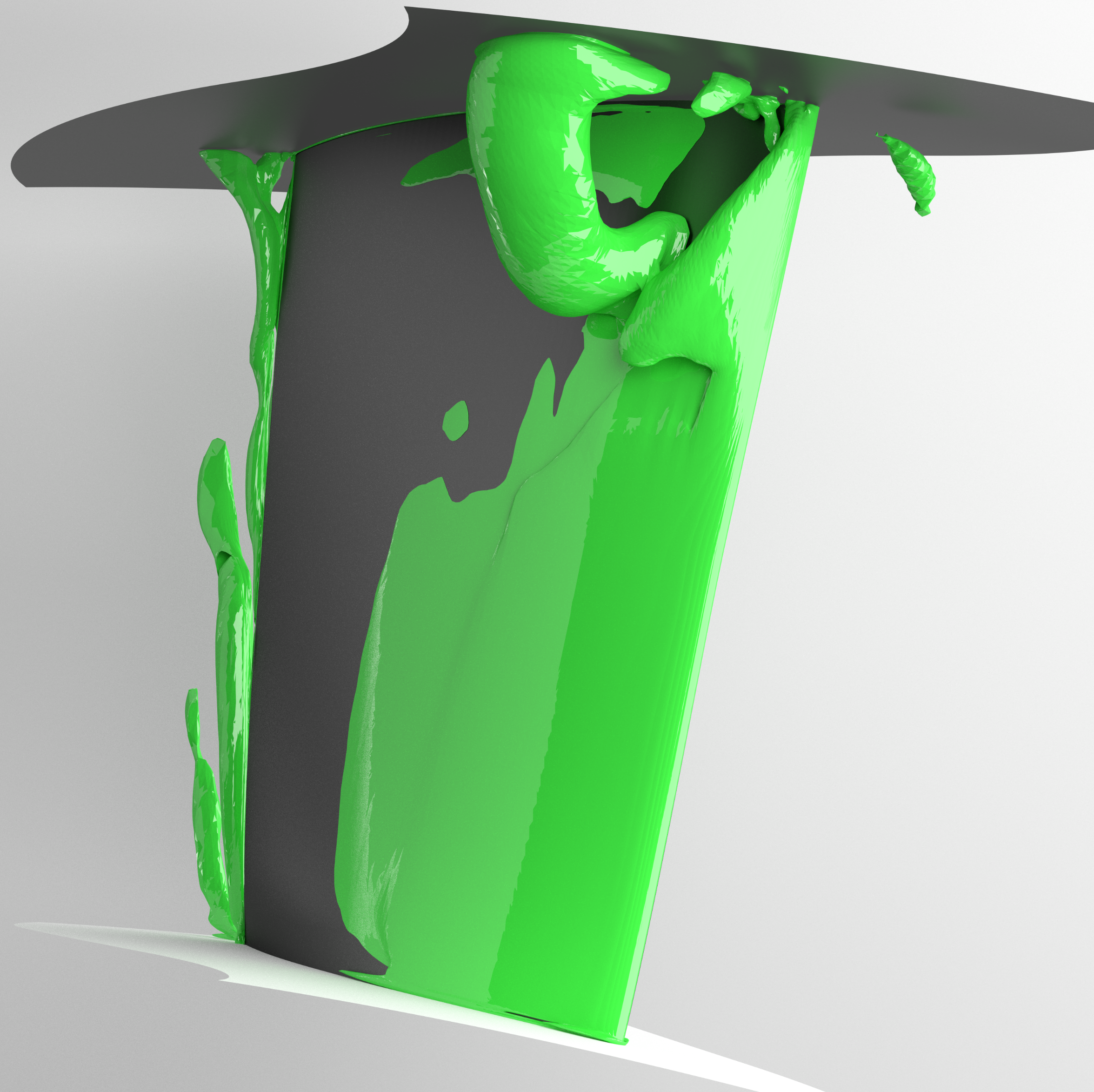
Direct Numerical Simulation (DNS) is transforming aerodynamic design by resolving all turbulent flow scales without turbulence modelling. Our 3DNS software and Desktop-DNS toolkit (3dns.org) is enabling the use of high-fidelity simulation to inform practical engineering design methods. The picture shows an example of a DNS of a compressor blade tip flow, revealing the loss mechanisms which reduce the performance of the machine.
Distributed Propulsion
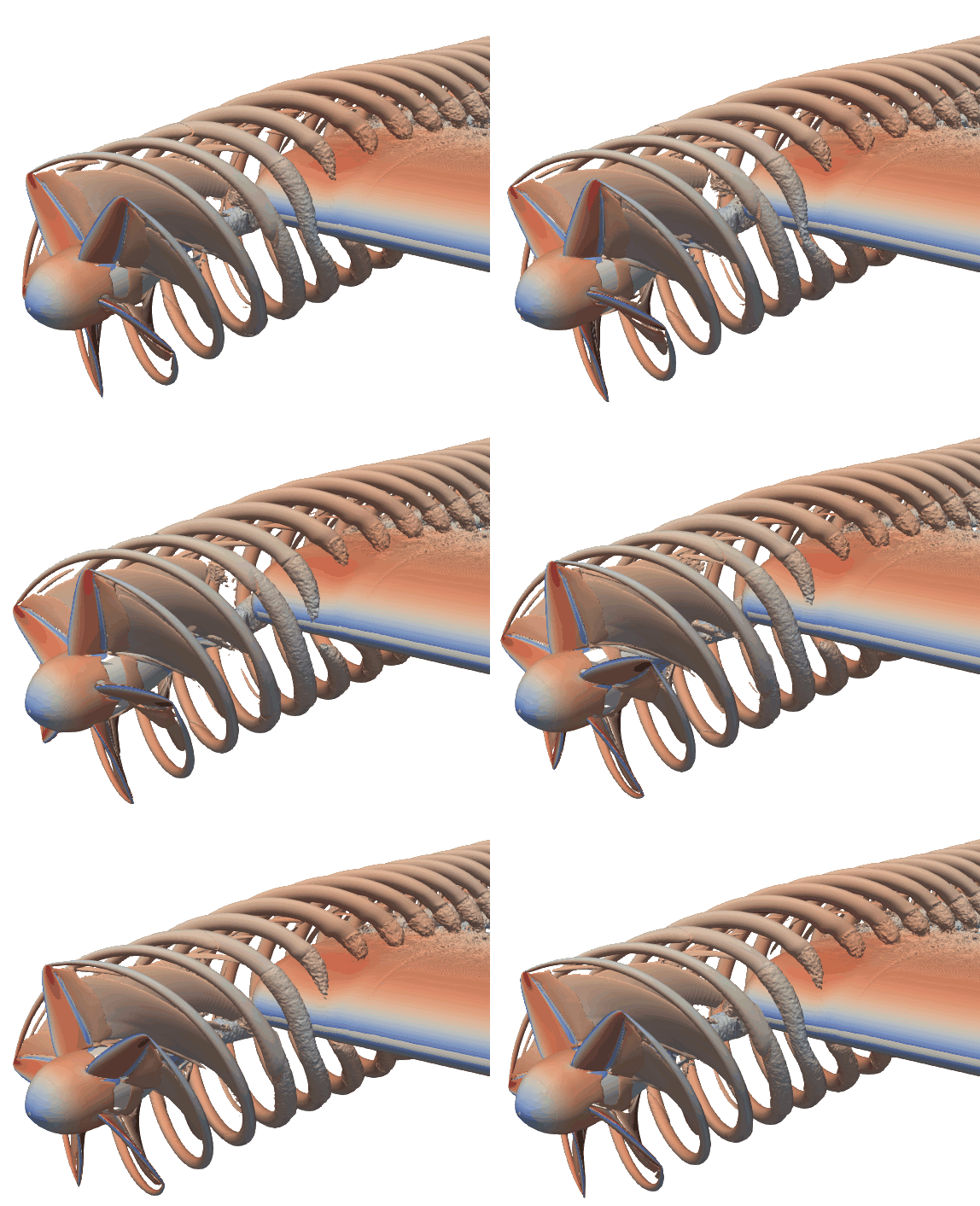
Electric motors allow for small propellers to be placed around the aircraft to increase aerodynamic efficiency. Our research looked at small, electrically driven propellers placed at the wingtips, rotating in the opposite direction to the wingtip vortex. This reduces the strength of the vortex, which contributes to up to 40% of aircraft drag, while simultaneously making the propellers more efficient, reducing overall fuel burn.
Electric Propulsion
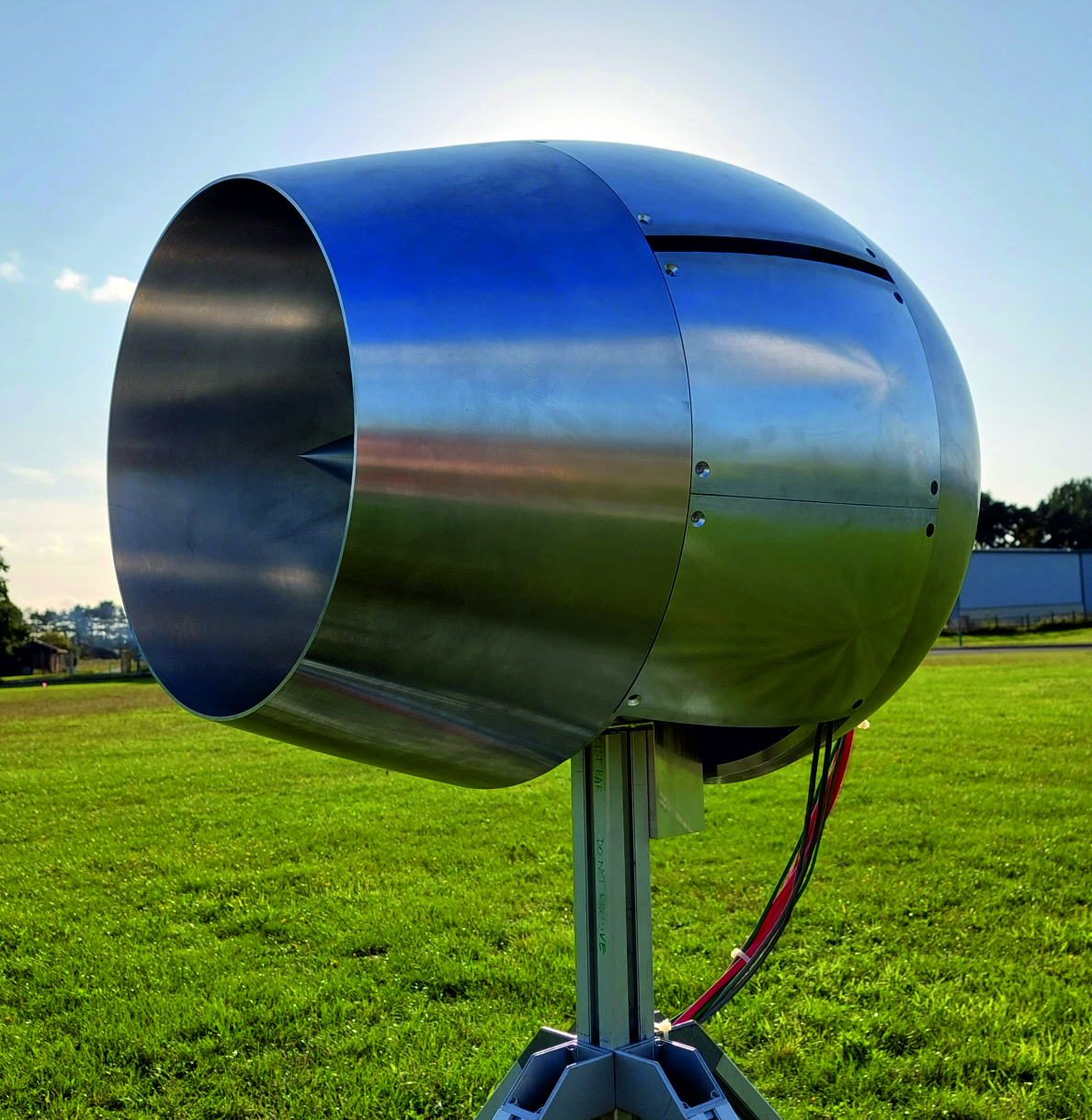
Core to many future aircraft concepts are ducted fans and open propellers driven by electric motors. We use numerical and experimental methods to study the aerodynamics of these devices for a wide range of different configurations, researching how to design higher performance geometries and the flow phenomena that occur. In this field we also tackle the multi-disciplinary issues that are first-order issues for design, matching with the electrical systems, composite rotating structures and cooling. Read our latest paper here.
Environmental Impacts of Aviation
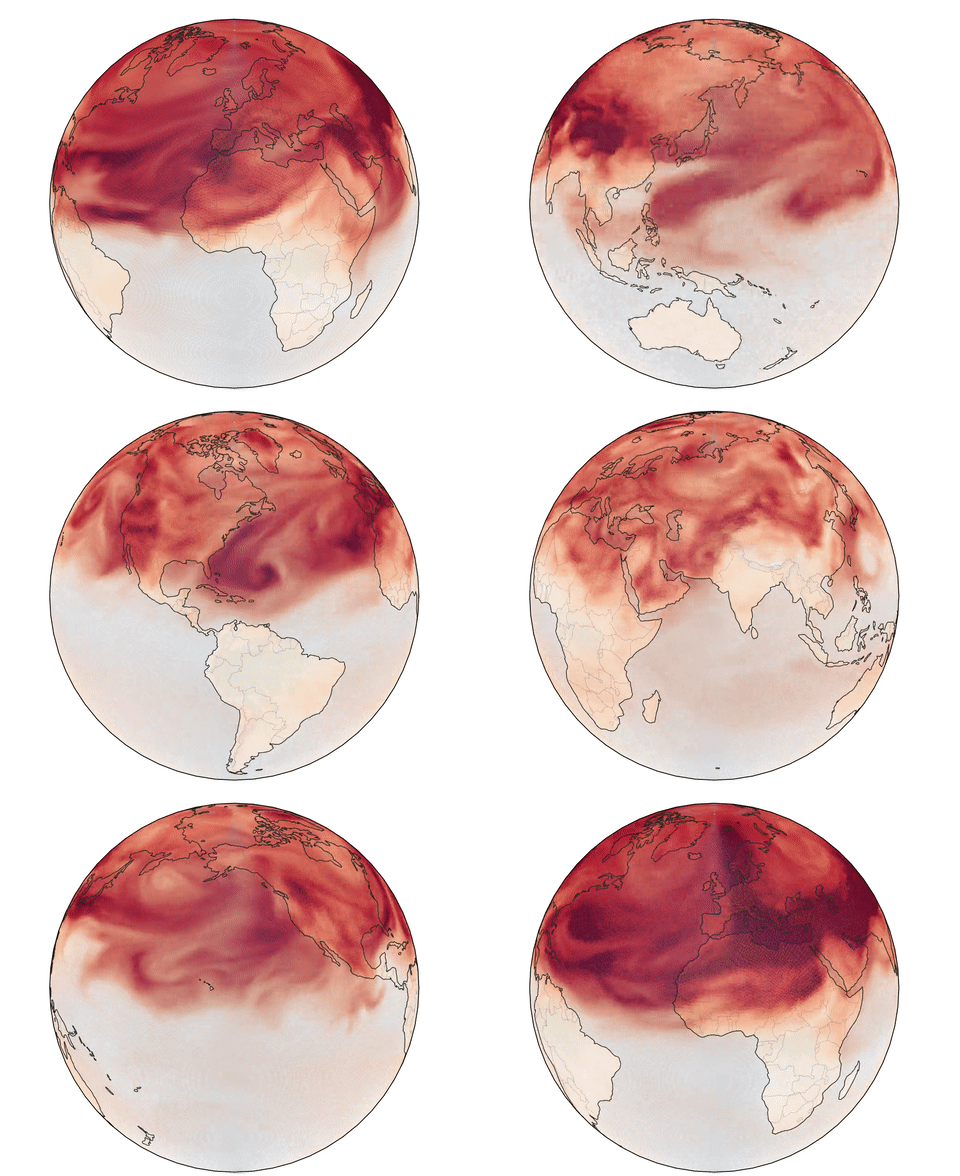
We build global, flight-by-flight emissions inventories from aviation activity data (e.g. our open-source openAvEm model) to estimate aviation's CO2 and non-CO2 emissions with high spatial and temporal resolution. These inventories underpin both our own atmospheric impact studies and those of the wider research community. We accompany the emissions modelling with aircraft emissions measurements close to runways to characterise aircraft plumes, including ultrafine particles and gaseous pollutants. These observations provide key insights on aviation’s real-world emissions and highlight gaps between certification measurements and real operational emissions. Our aviation emissions estimates drive chemistry-transport models, such as GEOS-Chem, together with Lagrangian and data-driven methods, to trace how aircraft emissions are transported and transformed in the atmosphere, resulting in air quality, human health and non-CO2 climate impacts.
Fan Flutter
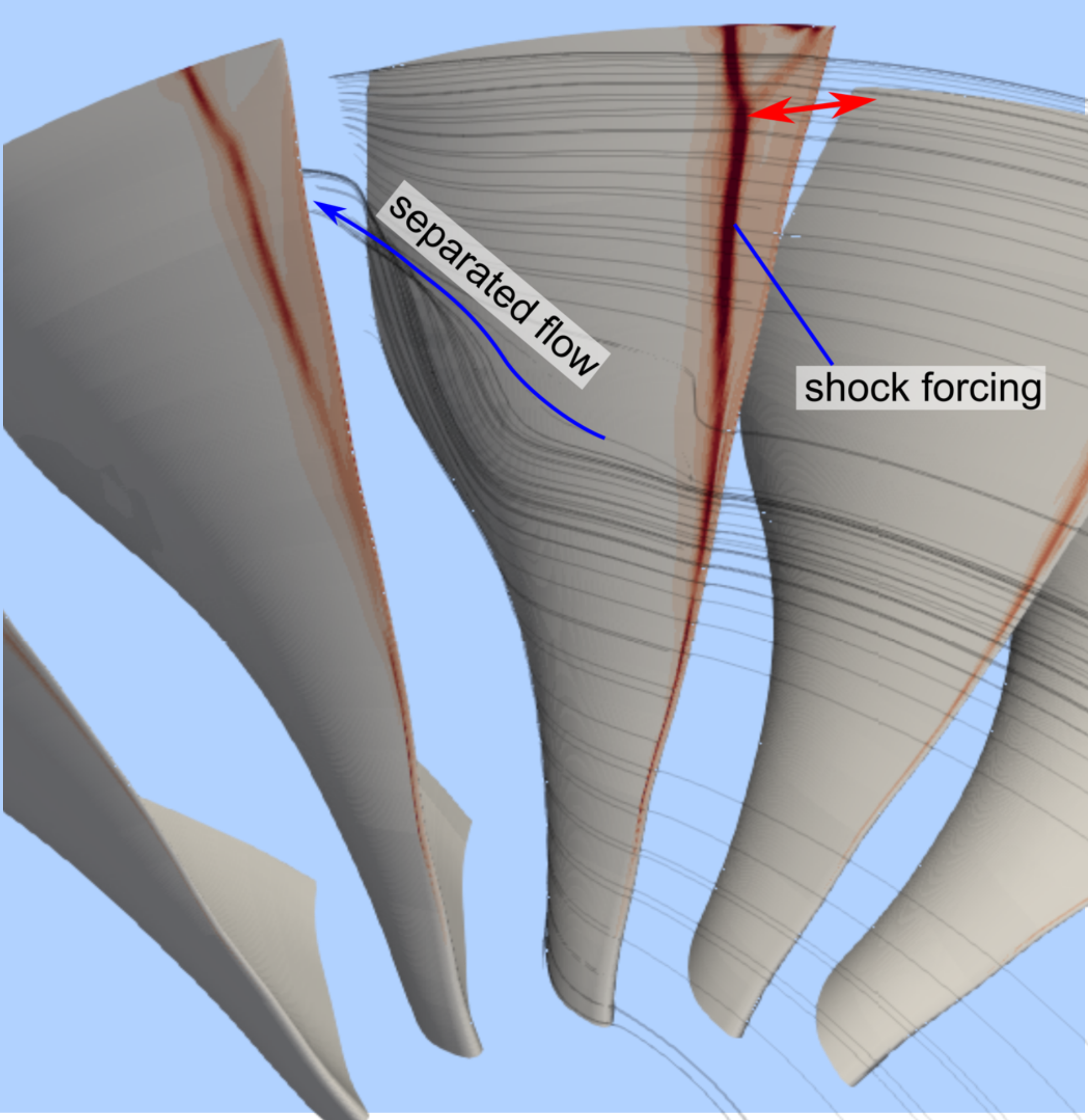
Aerodynamic efficiency and aeroelastic stability are closely linked, yet usually addressed separately in design. Our research connects three-dimensional flow behaviour directly to performance and vibration. In transonic fans and compressors, we examine how shocks, separation and operating conditions influence efficiency, operating range and stability. We extend the same principles to aircraft wings, developing integrated design methods that improve aerodynamic performance while preserving structural resilience. Read the paper here.
Fan Shock Wave Interaction
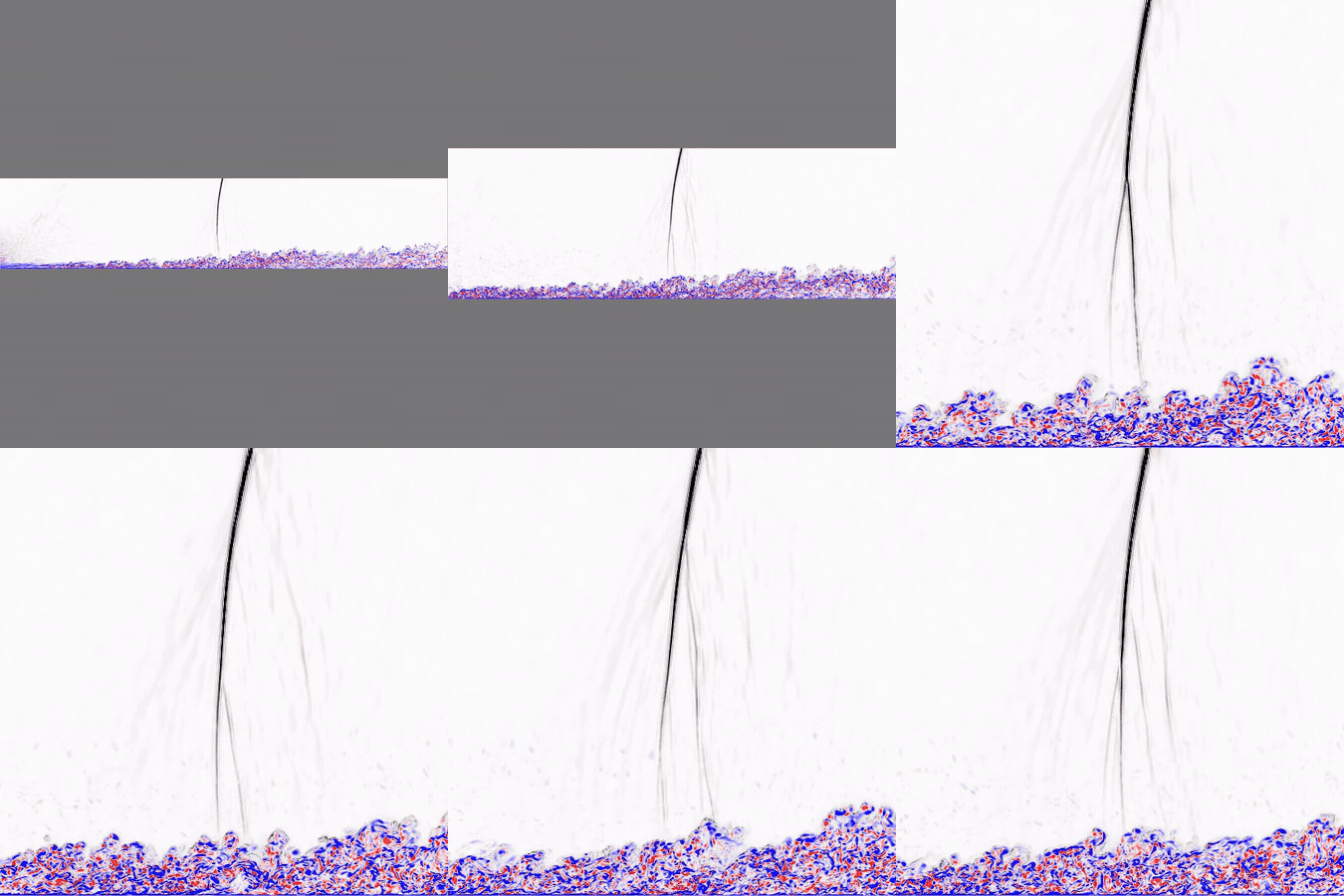
Shock waves affect aero-engine fans because of the way they interact with the flow near the fan blade surfaces. We use Direct Numerical Simulation (DNS) to resolve the turbulence in the blade-surface boundary layer as it interacts with a shock-wave. The DNS shows how the shock-wave amplifies the creation of turbulence. We then use this data to create models which can be used to aid the design of the fan. Read the paper here.
Flutter-Resistant Wings
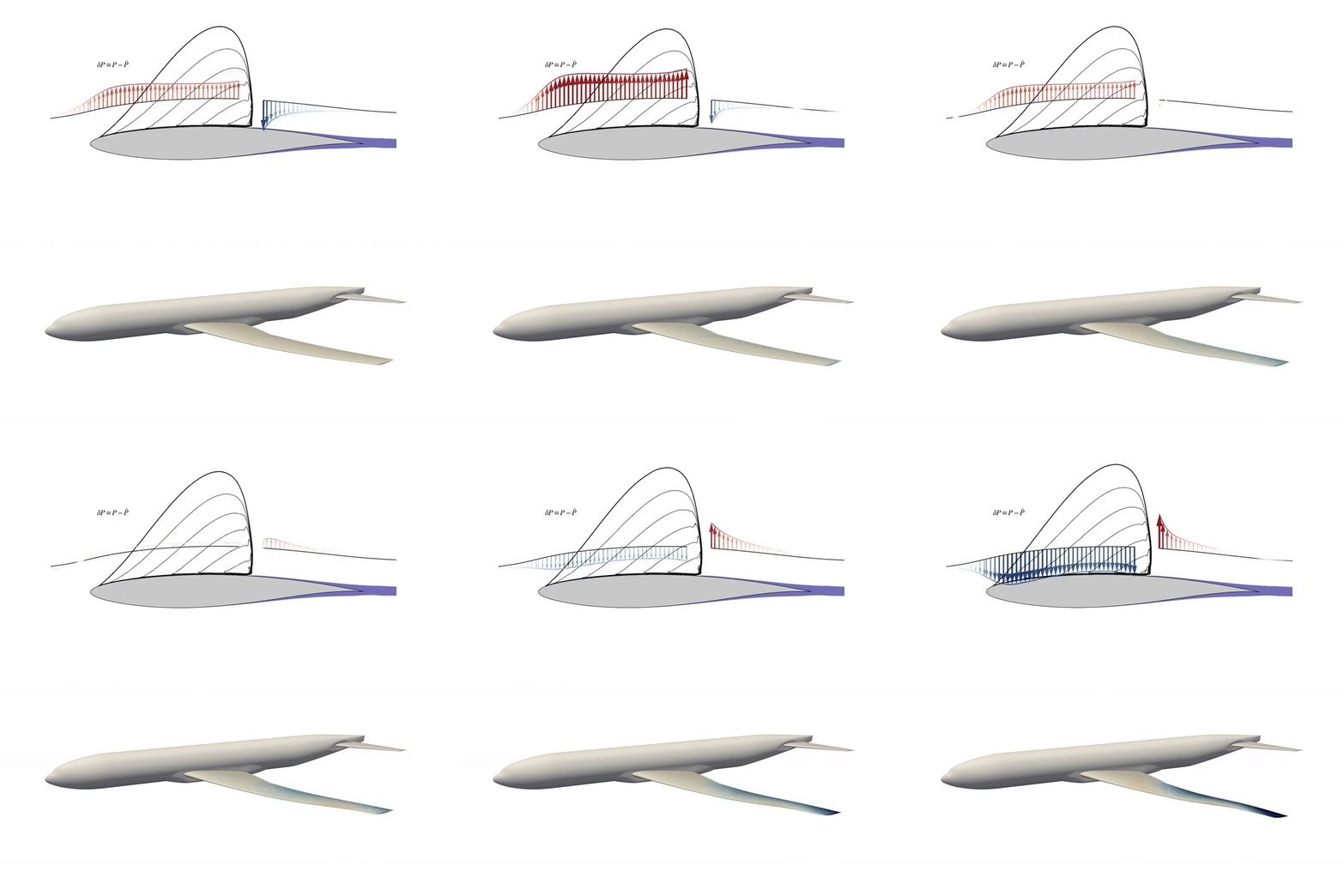
Future aircraft will use lighter and more flexible wings, making them more sensitive to gusts and aeroelastic instability. Our research combines GPU-accelerated aerodynamics with nonlinear structural models to simulate aircraft responses across flight conditions. As shown on the left, the wing motion and surrounding unsteady flow are resolved together, revealing the coupled physics that drive instability. Physics-based analysis then identifies how shock motion, structural deformation and modal coupling govern loads and flutter; turning complex simulations into actionable guidance for lighter wings with greater gust tolerance, robust flutter margins and improved aerodynamic performance. Read the paper here.
GPU-Accelerated Simulation
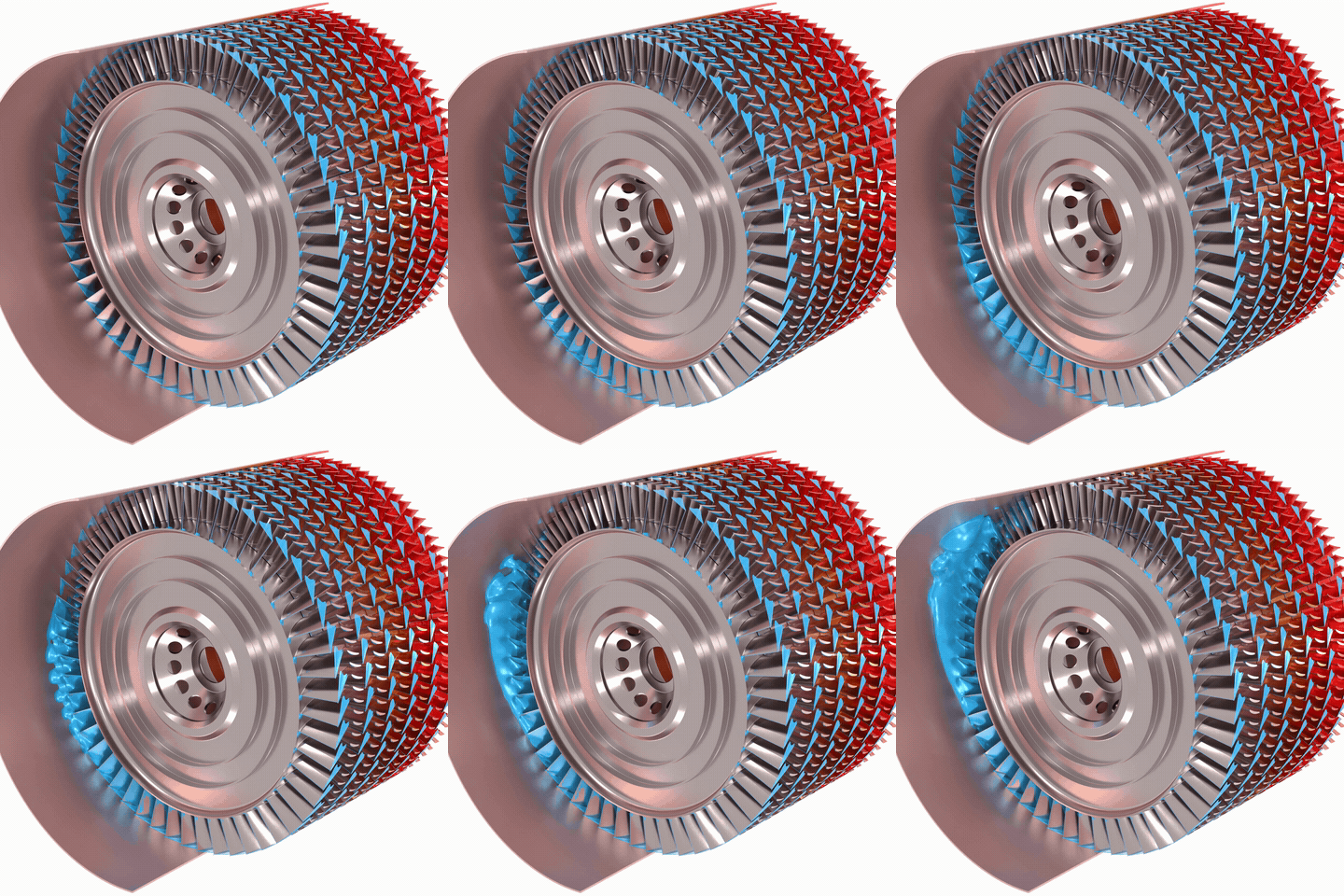
GPUs allow CFD to run much more quickly than on traditional CPUs. GPU-accelerated CFD was pioneered at the Whittle Laboratory from 2006, resulting in the Turbostream solver and the formation of a spin-out company in 2011. The solver has been continuously developed since then and is key part of the simulation capabilities of the Lab, supporting research in areas from design optimisation to full-annulus unsteady multistage computations.
Hydrogen Fuel Cells for Aviation
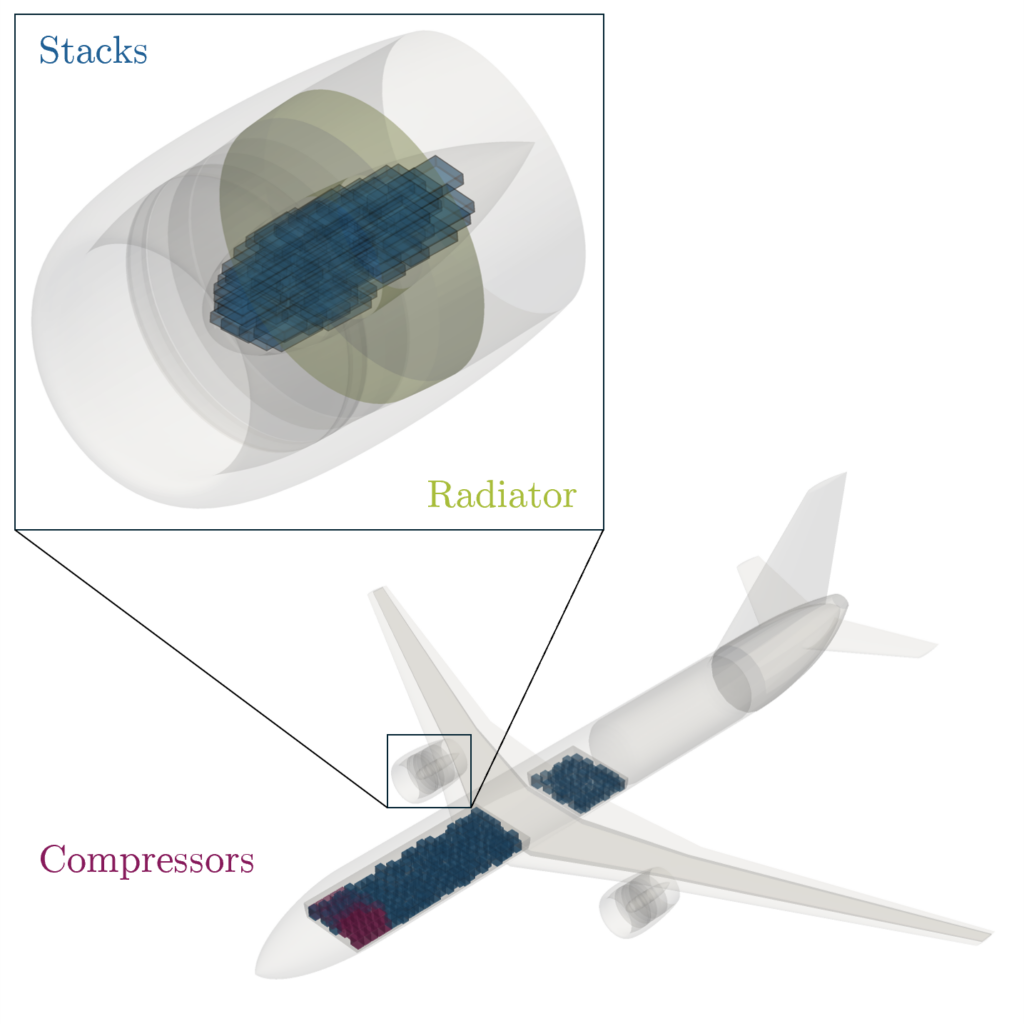
Hydrogen fuel cells have been successfully deployed in road transport, but the challenges to their widespread adoption in aviation are far greater. Although they are inherently heavier and bulkier than gas turbines, fuel cells offer a compelling efficiency advantage while allowing propulsion systems to be decentralised. Our research suggests that, when combined with several key enabling technologies and a purpose-designed airframe, fuel cells could displace a significant fraction of today’s kerosene fuel burn.
Hydrogen Liquefaction Systems
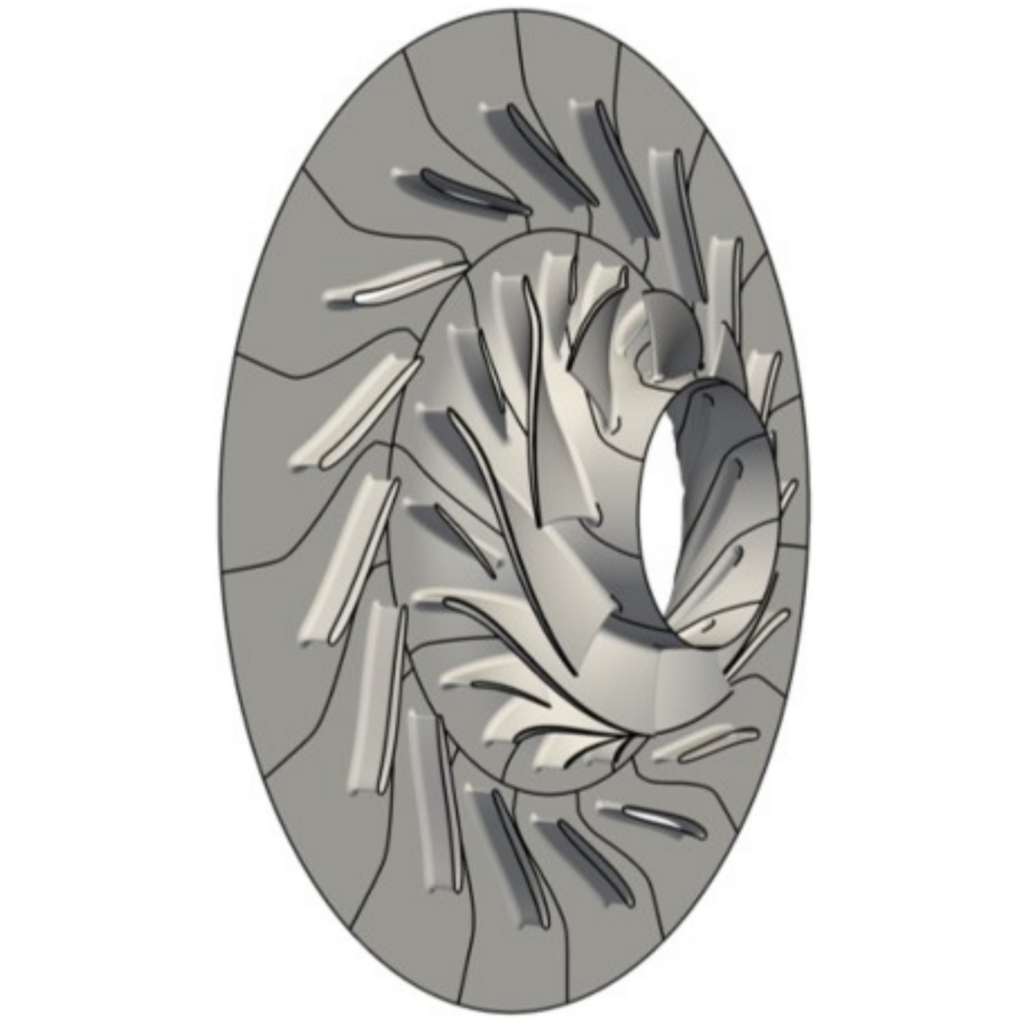
Meeting the rising global demand for liquefied hydrogen will require a scale-up of liquefaction infrastructure. Higher plant capacities increase the viability of novel cycles and components, which can achieve improved performance. In transport applications, LH2 is expected to play a key role in aviation and shipping. Our research shows that adding a turboexpander to the liquefaction plant can increase yields by 13.3% points and exergetic efficiency by 4.6% points. Read the paper here
Liftfans for Electric Aircraft
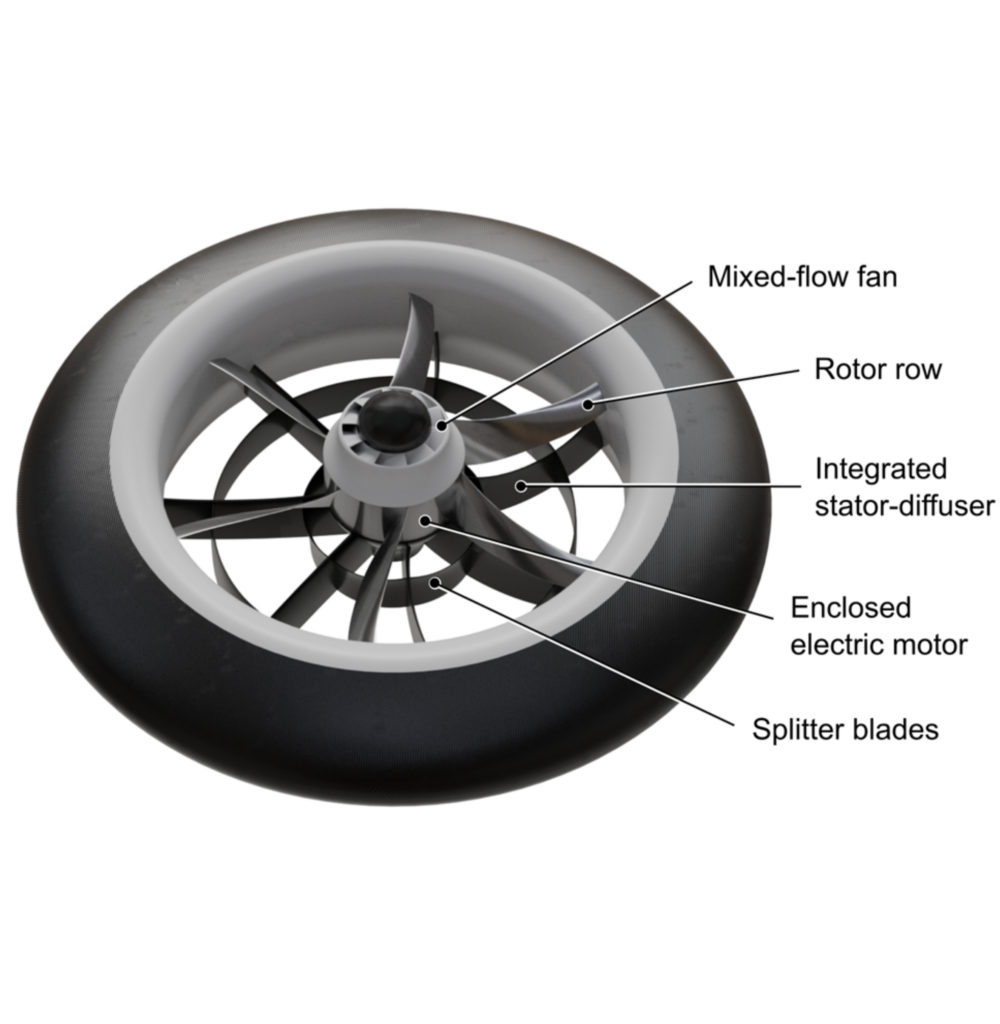
Ducted liftfans provide greater hovering efficiency to electric vertical take-off and landing aircraft than open propellers of equal disk area. Liftfans are designed with minimized length to limit propulsor weight added and drag incurred during forward flight. Read the paper here.
Low-Carbon Power Generation
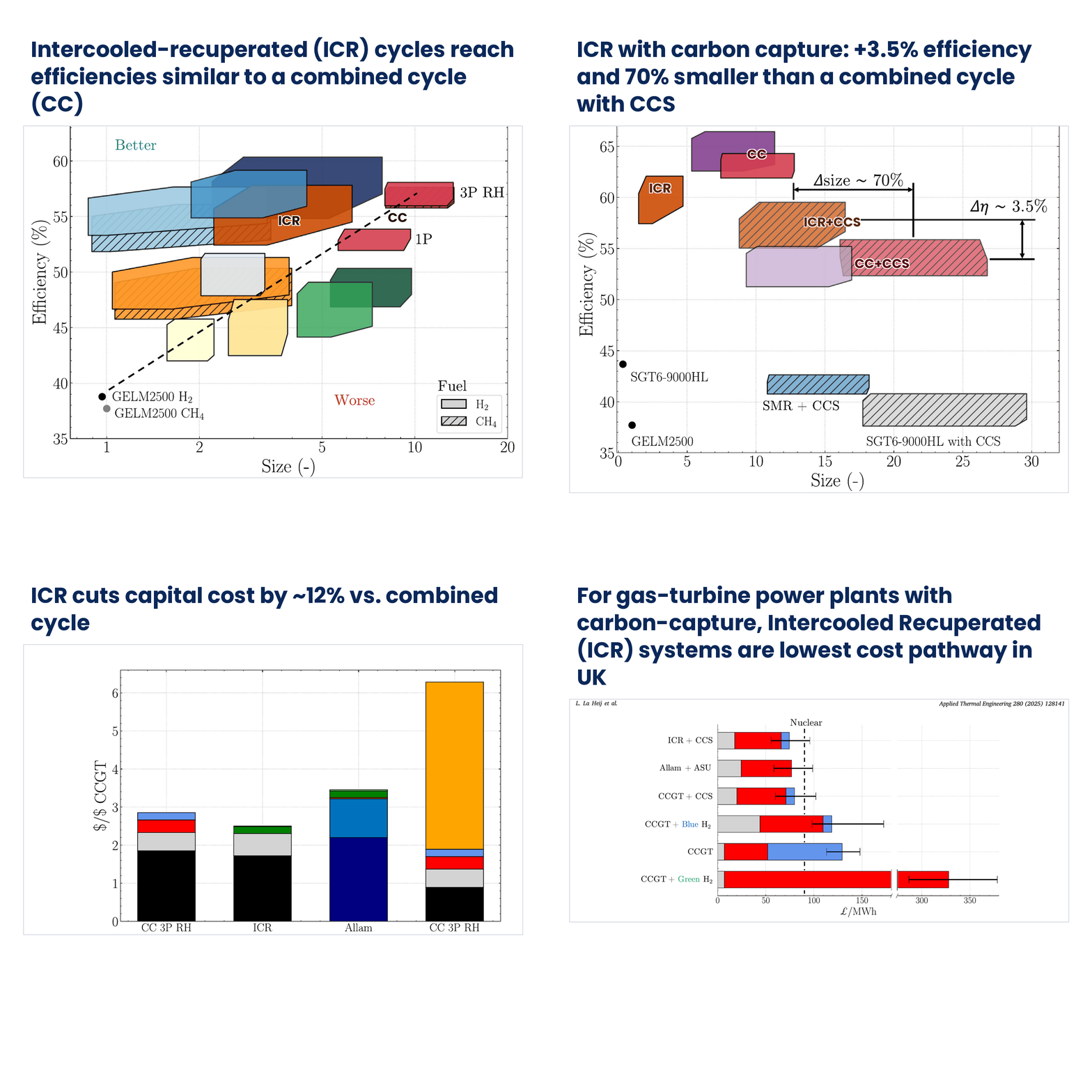
Modern gas-turbines are expected to play a critical role in the energy transition. In its current form, the technology contributes to a net increase in natural gas based carbon emissions, which globally rose by 2.4% in 2024. Multi-dimensional system modeling compares low-carbon power generation pathways: hydrogen firing, carbon capture, and oxyfuel combustion. For post-combustion capture, intercooled-recuperated (ICR) cycles significantly outperform combined cycles (CC): 3% higher efficiency, 12% lower capital cost, 70% smaller footprint. Read the paper here.
Neural Compression for Data Visualisation
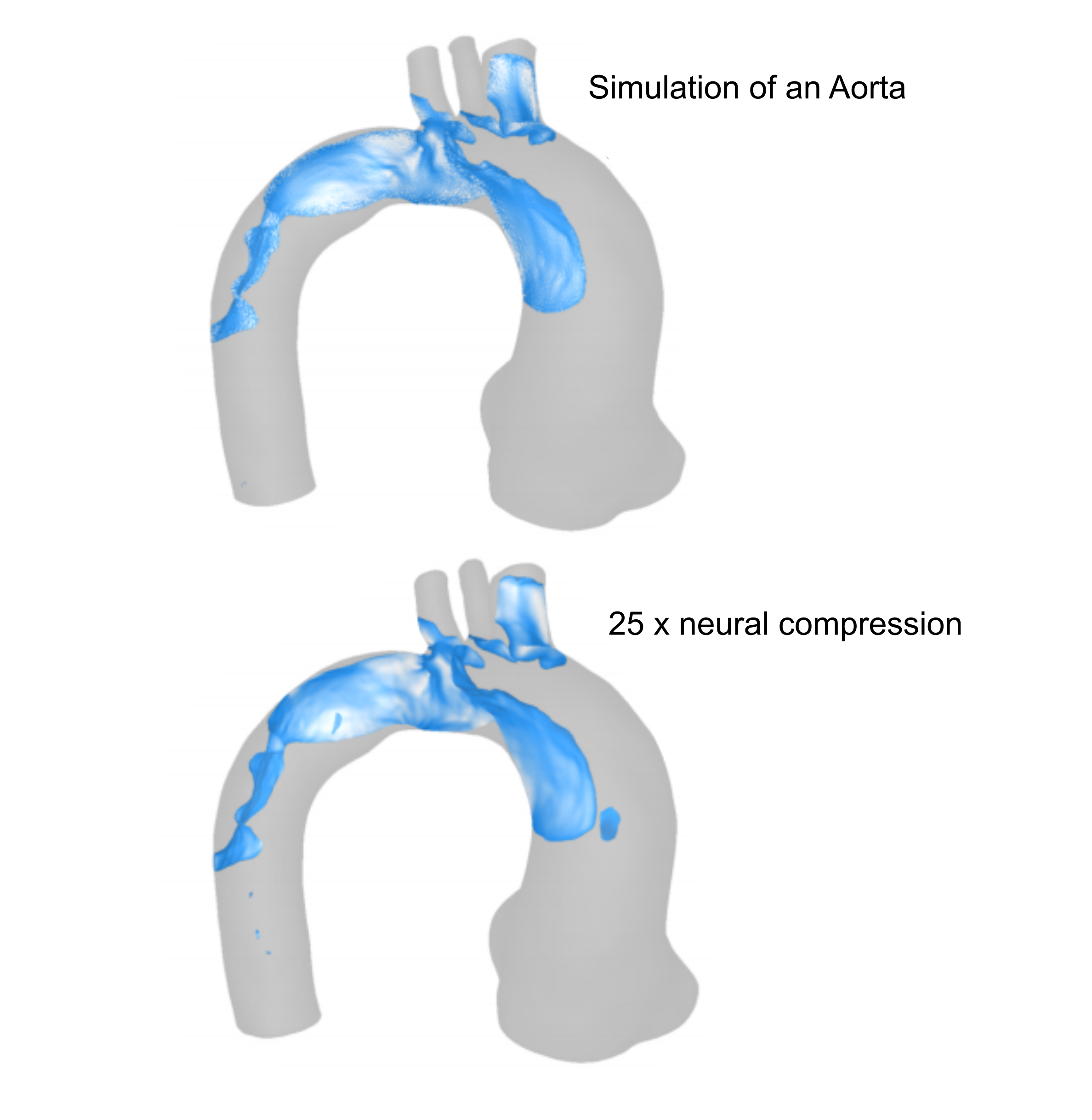
When engineers run large unsteady computational simulations, the rate at which data is generated far exceeds the rate at which it could be saved to “disk”. Our research uses neural networks to compress the data so it takes up less space. The trained neural network takes up less storage space than the original data - sometimes 50x or 200x less. The neural compression of the data can then be used for visualisation. Read the paper here.
Next-Generation Axial Compressors
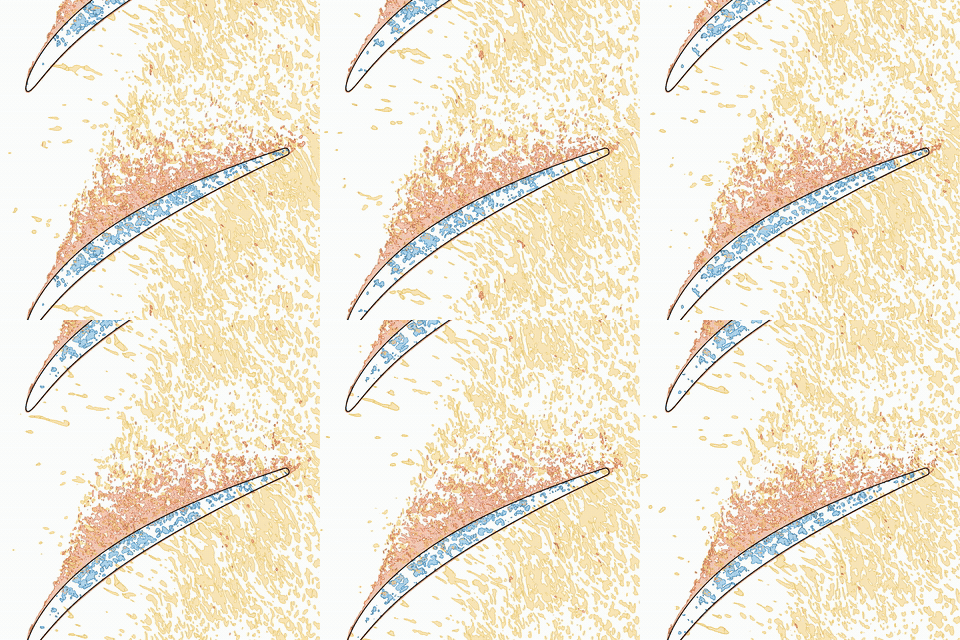
Future aero-engines need high performance axial-compressors. These compressors have to achieve much higher pressures than today's machines. This is increasingly challenging as compressors will also need to reduce in size - meaning effects of tip clearances and blade thicknesses become more important. Improved design, manufacturing and understanding of the three-dimensional structure of the unsteady flow field is key. Read the latest paper here.
Non-Ideal Fluids for Future Energy Systems
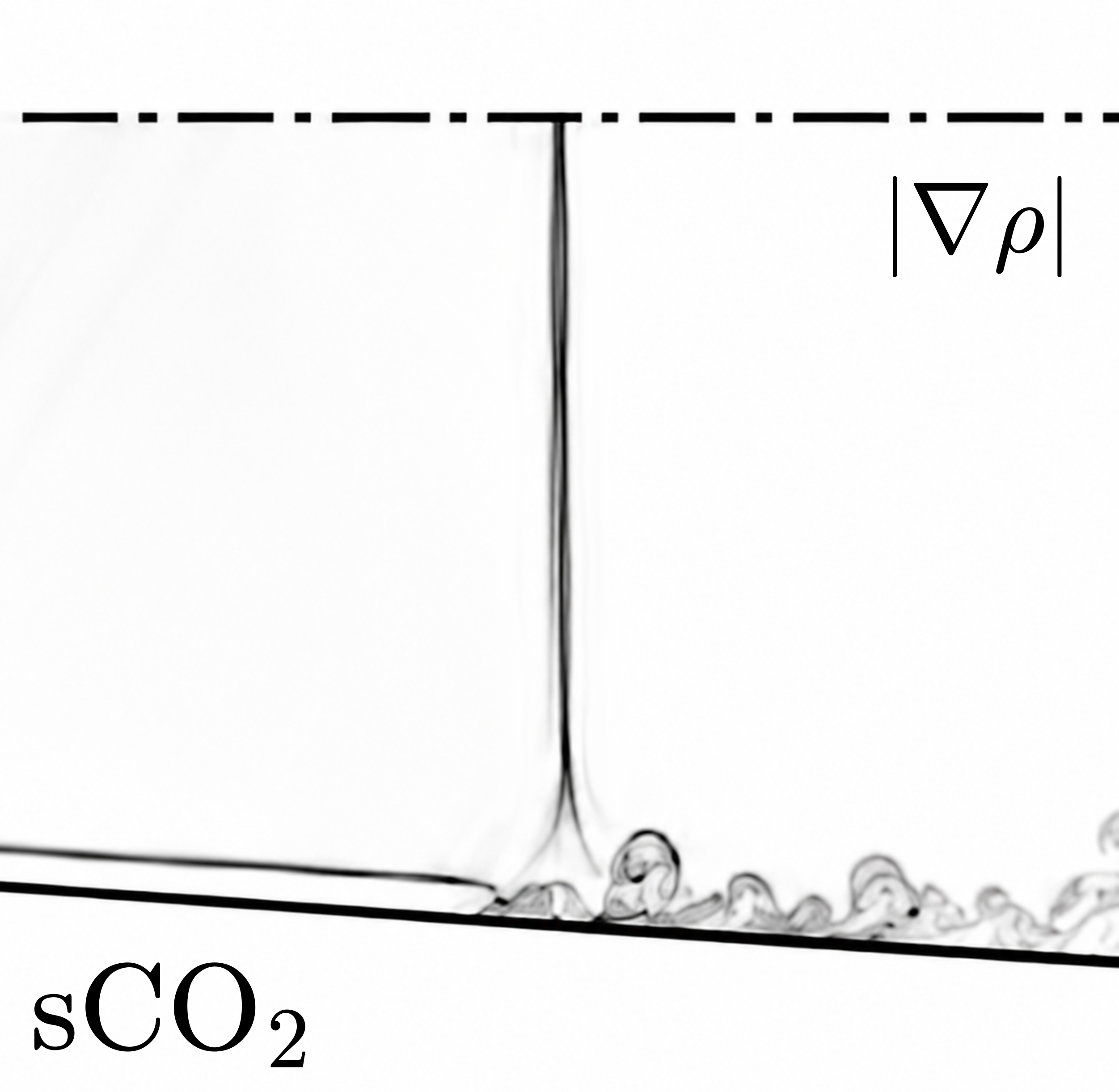
Future energy systems increasingly operate in thermodynamic regimes where fluids behave very differently from ideal gases. We develop advanced Large Eddy Simulation (LES) and Direct Numerical Simulation (DNS) methods to accurately predict these flows, enabling the reliable design of turbines, compressors and energy systems. Our methods provide unique insight into the interaction between shock waves, turbulence and non-ideal thermodynamics under conditions that are difficult or impossible to investigate experimentally.
Phase-Based Heat Transfer Measurements
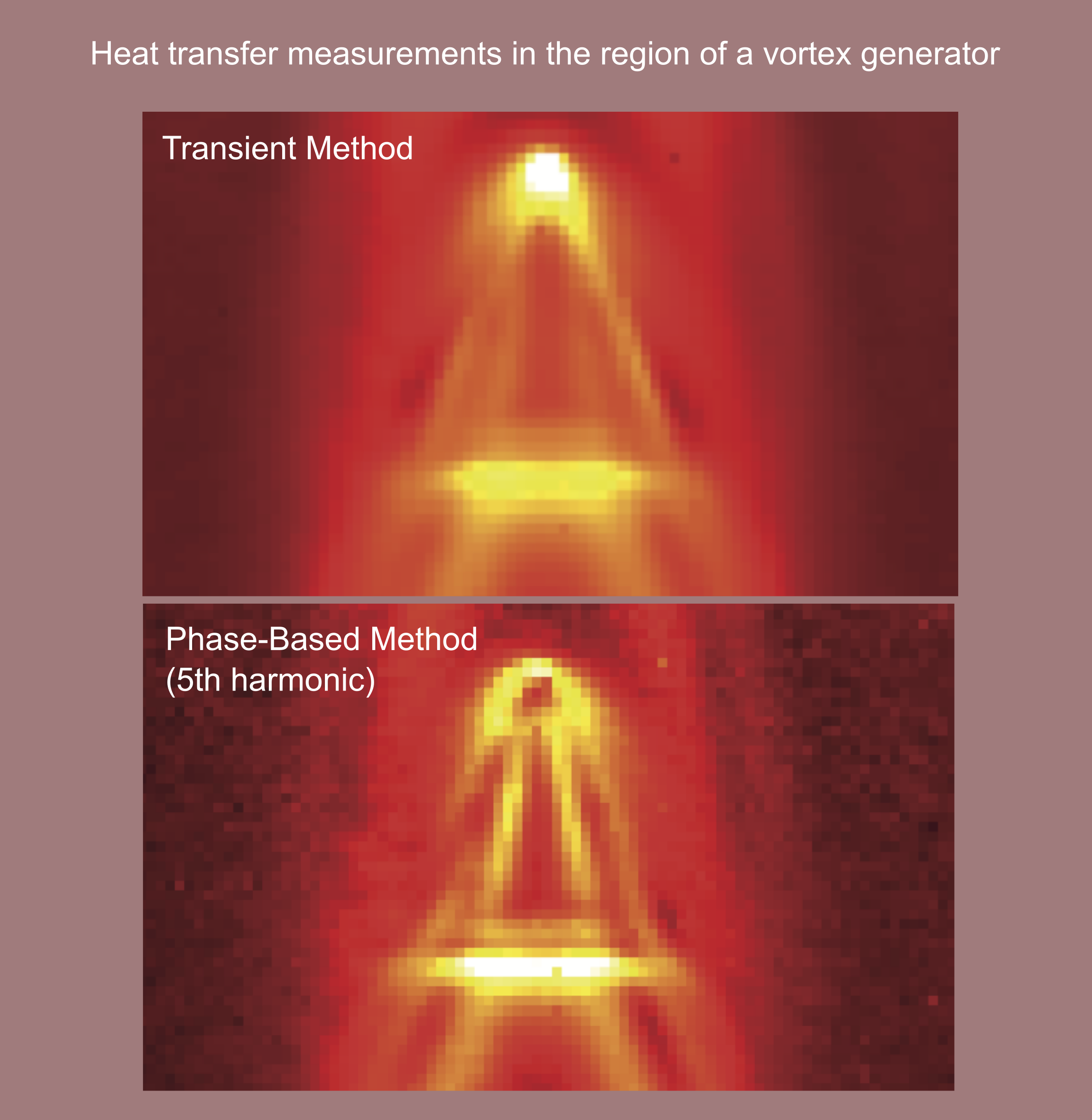
Traditional methods for measuring heat transfer rely on measurements of steady-state or transient temperature changes that are highly sensitive to instrumentation noise and calibration errors. Our new approach uses periodic temperature changes and measurements of phase-shift, eliminating the need for calibrations and reducing the impact of noise by 10-100 times. The phase-based method allows heat transfer to be measured accurately in situations previously inaccessible to traditional techniques. Read the paper here.
Rear Propulsors for Boundary Layer Ingestion
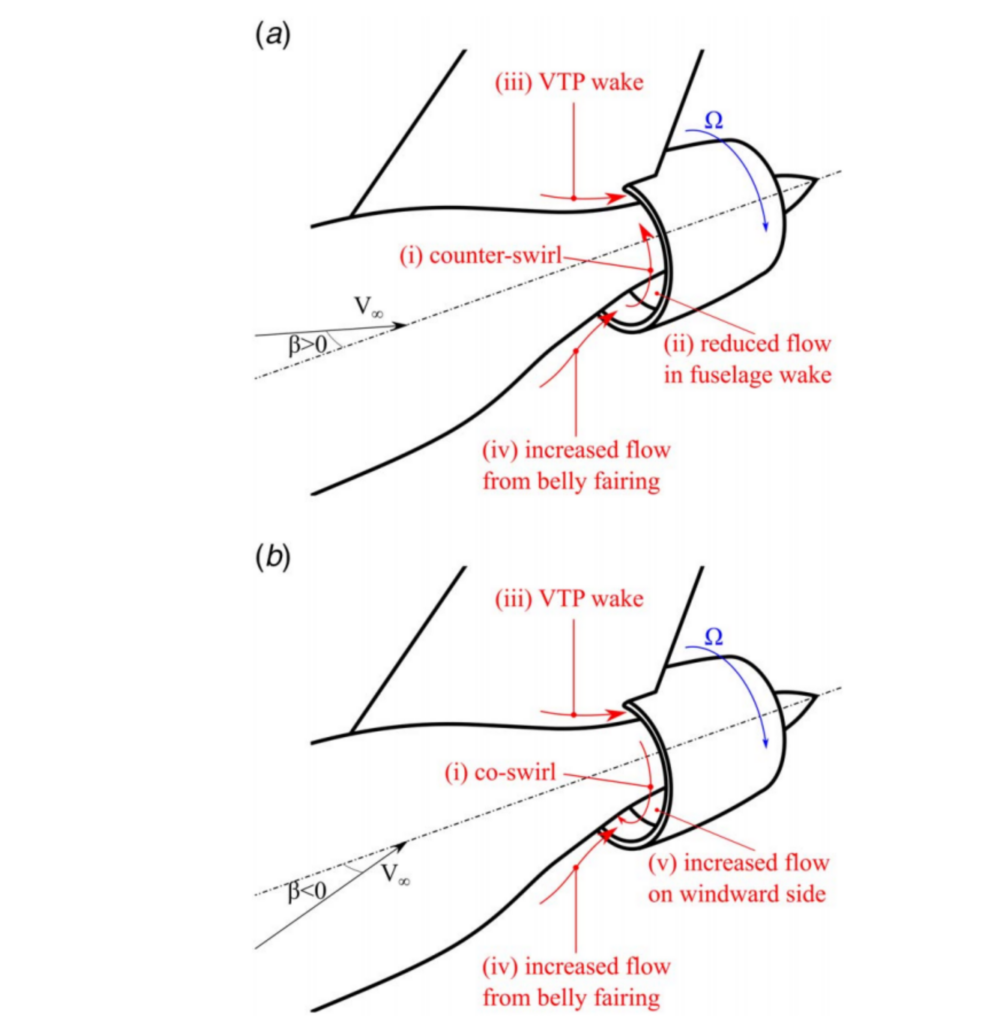
Boundary layer ingestion (BLI) offers potential reductions in fuel burn and emissions. Research into the effect of sideslip direction on the aerodynamics of an aft BLI fan show that positive sideslip (sideslip that produces counter-swirl) increases the fan work and incidence, but the additional losses are relatively small. However, negative sideslip results in lower loading, negative incidence, and greater losses. The stage loading was 28% higher and the stage efficiency was 1.65% higher for positive versus negative sideslip. The positive sideslip case was also found to lose some operating range, equivalent to 2% of nozzle area. Overall, the fan design tolerates the sideslip distortion well and demonstrates the importance of the coupling of both swirl and total pressure distortion with the fan aerodynamics.
Super-Critical Carbon-Dioxide Simulations
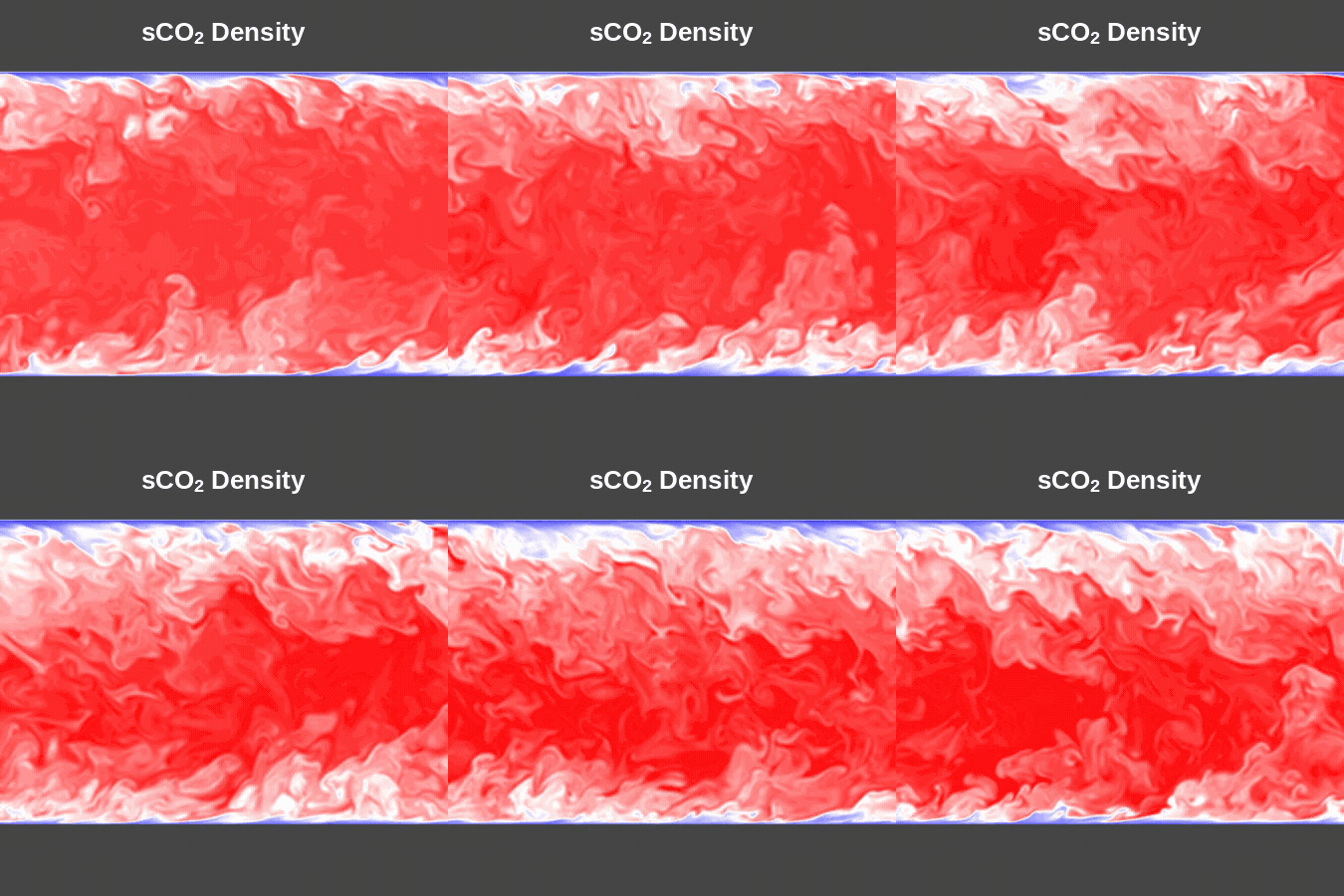
Super-critical carbon dioxide (sCO2) has potential uses in a wide range of future energy systems supporting grid flexibility and decarbonisation. One of the challenges of designing sCO2 systems is the large variation in the fluid properties. We are investigating the use of sCO2 in heat exchangers. Our Direct Numerical Simulations (DNS) captures the effects of turbulence on the heat transfer and pressure loss in the heat exchanger. The method is explained in this paper.
Thermoacoustic Instabilities in Gas Turbines
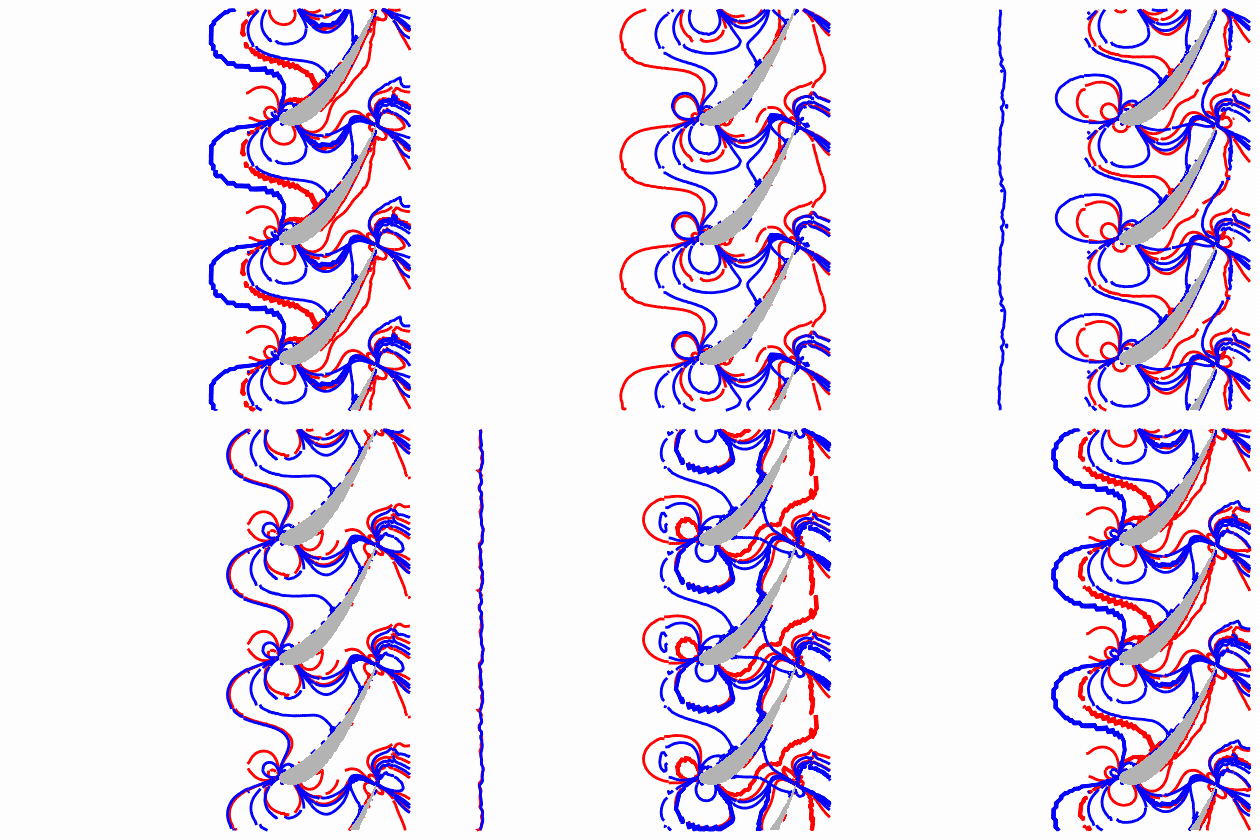
Thermoacoustic instability, an unstable positive feedback loop between heat release and sound waves, is a major obstacle to the development of low-emission gas turbines. The designer must quantify acoustic energy losses both downstream through the turbine, and inside the combustor itself, in order to assess stability of the system. Our simulations and theoretical models have allowed us to predict downstream acoustic losses as a function of turbine design.
Turbine Aerothermal Sentencing
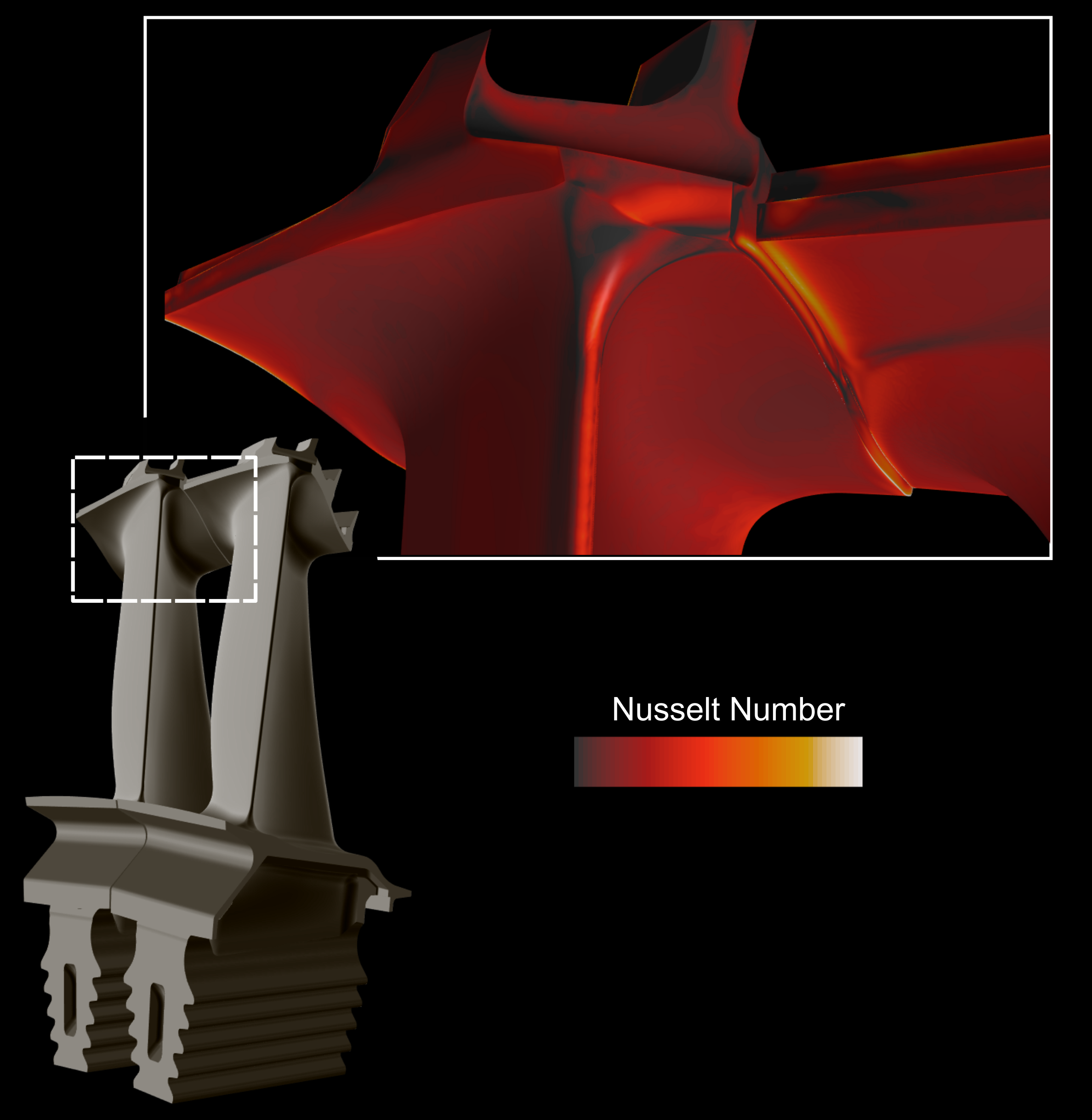
High-pressure turbine blades operate under extremely high thermal and centrifugal loads. To ensure safe reliable operation and minimise the scrap rate, the acceptable manufacturing tolerances need to be informed by their influence on aerothermal performance. Our research develops a physics-based sentencing model for platform steps, as shown in the picture. Read the paper here.
Turbine Film Cooling Effects on Transition
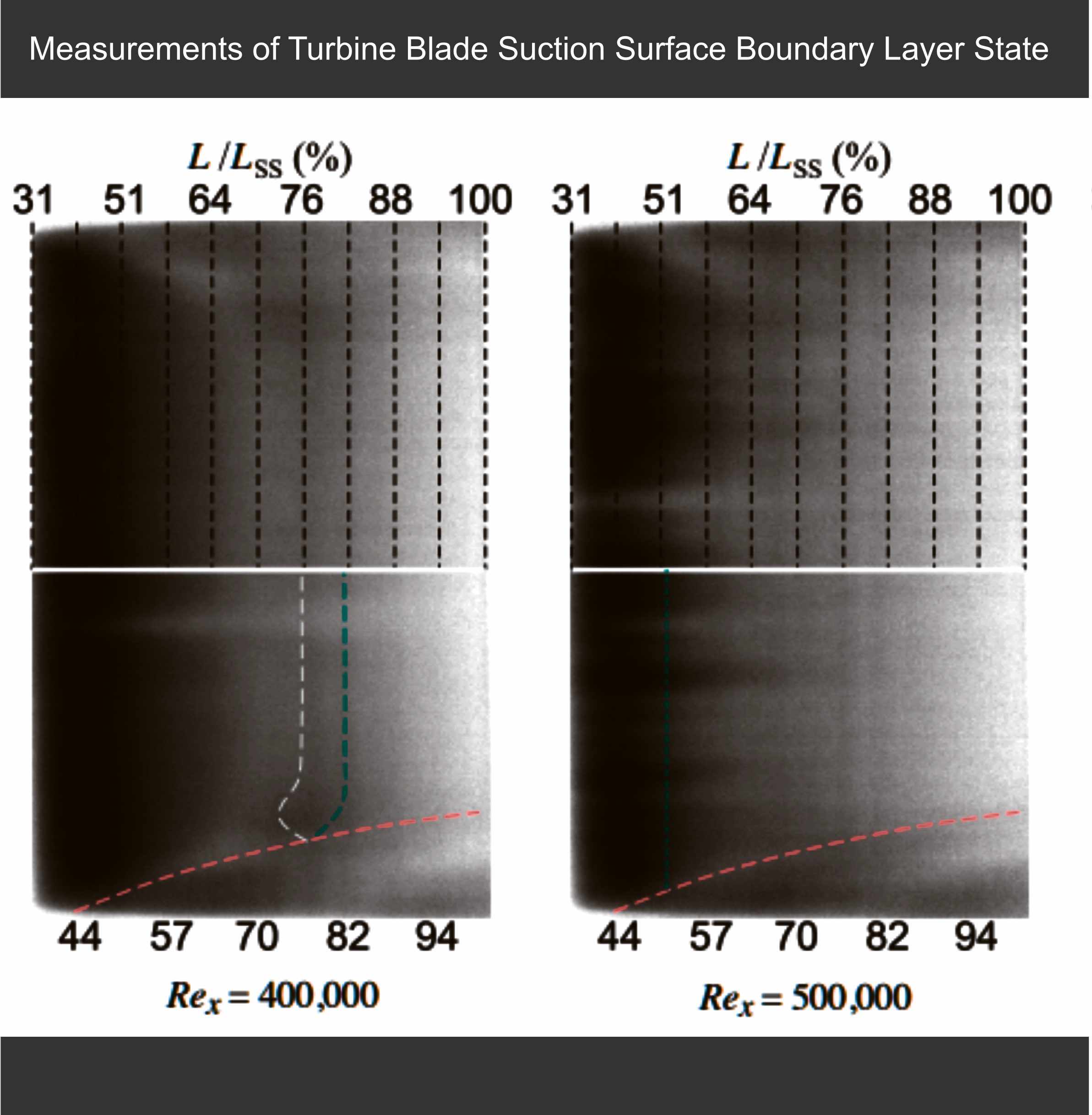
Film cooling is essential for protecting high-pressure turbine blades in modern gas turbines and aero-engines, but it also has a major impact on aerodynamic performance. Our research shows how film cooling can trigger transition to turbulence on the turbine blade-surfaces; the effect is similar to effects of surface roughness on in-service engines. Using this experimental data, we develop new design methods for the next generation of high efficiency turbines. These new machines can be tested in the NCPP. Read the paper here.
Turbine Heat Transfer
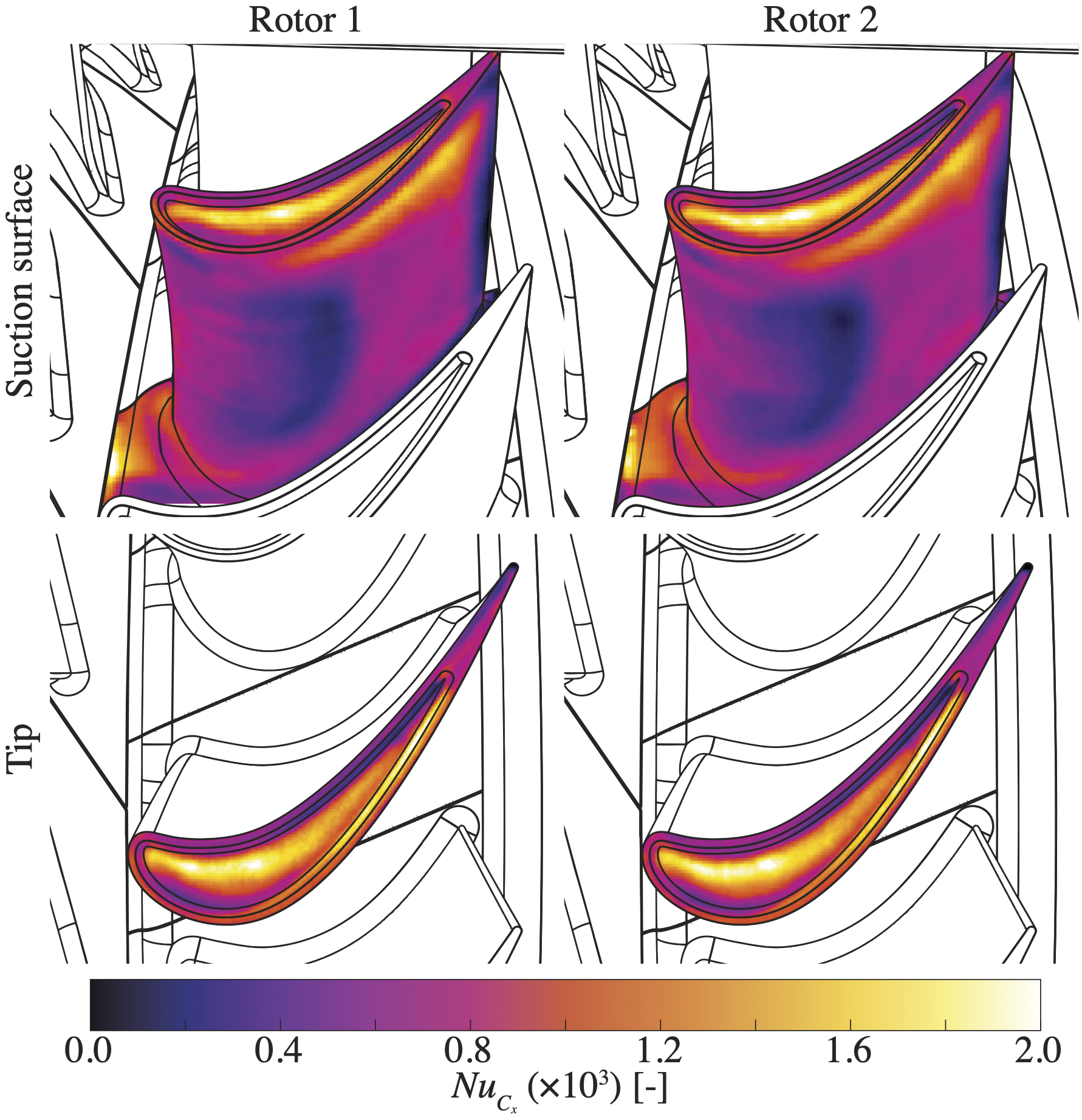
Predicting heat transfer in the high-pressure turbine stages of jet engines and gas turbines, where gas temperatures are greater than the melting point of the components, remains a major challenge for designers. To validate computational predictions, heat transfer must be measured in engine-representative conditions on blades spinning at hundreds of revolutions per second. Our research uses a new phase-based method and infrared cameras to measure heat transfer quantities over the entire surface of high-speed turbine blades, providing unique insight into how physical mechanisms impact thermal loads. Read the paper here.
Turbine Secondary Flows
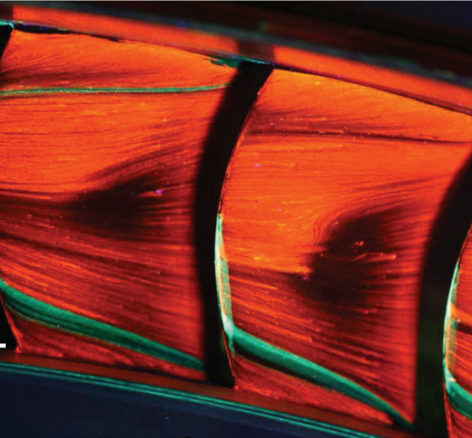
Secondary flows are a major source of aerodynamic loss in turbine stages, yet their behaviour is strongly influenced by real engine features such as purge flows and blade tip leakage. The flow visualisation shows the secondary flow vortex crossing the turbine passage and transporting green dye across the blade. Our research has revealed how these flow mechanisms interact and has led to innovative design methods that minimise secondary flow losses, improving turbine efficiency and reducing fuel burn.
Turbines for Tidal Power
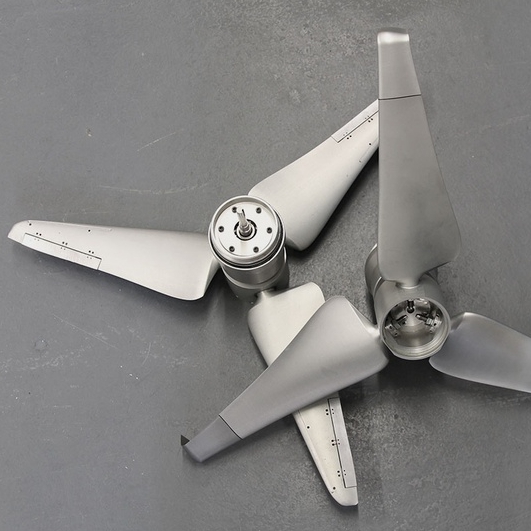
A major barrier to the widespread commercial adoption of tidal turbines is the unsteadiness of the inflow, which results in large variations in turbine thrust and torque. Our work has focused on three interconnected research themes: characterising the origins and magnitude of flow unsteadiness; designing both active and passive devices for reducing these fluctuations; and evaluating the effectiveness of these approaches under unsteady flow conditions through detailed measurements.